Reseal pavers when the existing sealer reaches its manufacturer’s maintenance interval or shows confirmed wear—not simply because the surface looks dirty. Before adding another coat, identify the previous product, clean the pavers, and check for moisture, coating failure, and compatibility. For your 2026 maintenance plan, treat the calendar as a reminder to inspect, not an automatic instruction to reseal.
- How often should pavers be resealed? Follow the sealer’s maintenance instructions and confirm wear before recoating.
- Dirty pavers need cleaning and inspection; peeling or cloudy coatings need diagnosis before another coat.
- Socalemm provides exterior cleaning for Orange County homeowners; confirm the scope before arranging paver maintenance.
- Keep the previous sealer’s name and application records so your next maintenance decision starts with the right information.
Why this matters
Cleaning, repairing, and resealing solve different problems. Dirt can hide a sound finish, while another coat can conceal—or worsen—a problem that needed attention first. A dull driveway does not automatically need more sealer.
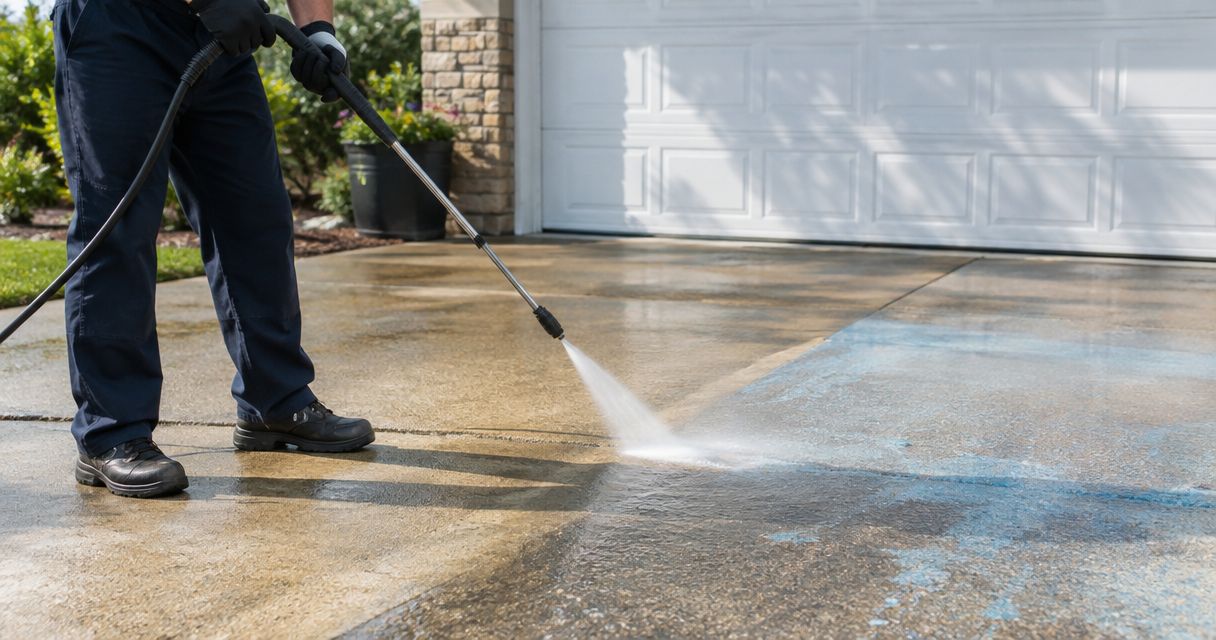
Start with the surface condition, not the appearance you want. If cleaning is your first step, understand whether pressure washing can damage pavers before choosing equipment or hiring someone. Aggressive cleaning can disturb joint material or damage the surface, creating additional work before sealing even begins.
How often should pavers be resealed?
Pavers should be resealed according to the specific sealer’s maintenance directions and the condition of the existing application. There is no single interval that fits every paver material, coating, exposure, and use pattern.
The useful question is: Does this surface need another compatible application, or does it need cleaning, repair, or coating removal first? Use the following comparison to separate those decisions.
| Maintenance choice | Best for | Benefit | Limitation |
|---|---|---|---|
| Clean and reassess | Dirty pavers with no confirmed sealer failure | Reveals the actual surface condition | Does not replace worn protection or repair damaged paving |
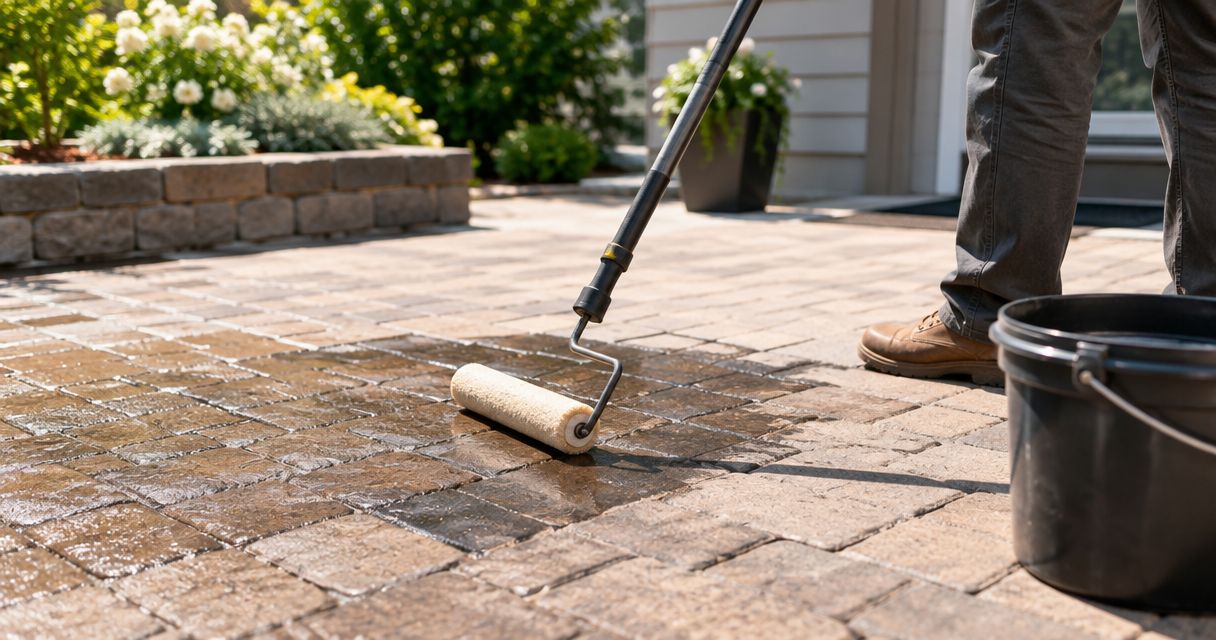
| Apply a compatible maintenance coat | Sound existing sealer that meets its product’s recoating criteria | Renews the intended finish or protection | Requires correct preparation and product compatibility |
| Diagnose before coating | Cloudiness, peeling, tackiness, or unexplained discoloration | Addresses the cause before adding material | Can require corrective preparation rather than a simple recoat |
| Repair before sealing | Loose pavers, drainage problems, or damaged joints | Separates structural maintenance from surface treatment | Sealer alone cannot correct these defects |
For a 2026 inspection, record what you actually see: worn traffic paths, coating edges, staining, joint condition, and drainage. Compare those observations with the sealer’s technical instructions rather than assigning the entire patio a replacement date based on appearance alone.
What if you do not know which sealer was used?
Do not choose another product solely because its label says it works on pavers. Ask the previous owner, installer, or maintenance contractor for the product name and application records. Photographs of containers or an invoice can help identify the previous treatment.
If the product remains unknown, ask the proposed sealer manufacturer how to assess compatibility. An unknown coating is a reason to investigate, not a reason to cover it.
Film-forming sealers: inspect the coating itself
Film-forming sealers leave a coating at the surface. Depending on the product, they can change sheen or deepen the appearance of the pavers. Their maintenance depends on the condition of that coating and the manufacturer’s approved recoating process.
Look for uneven wear, peeling edges, persistent cloudiness, and areas that remain tacky. Those symptoms do not all have the same cause, so adding material without diagnosis is the wrong starting point.
- Best for: Homeowners seeking a surface finish that the selected product specifically provides.
- Advantage: The coating’s appearance gives you visible features to inspect and document.
- Limitation: A visible coating can develop appearance problems that require more than another application.
Do not assume a glossy finish is suitable for every walking surface. Ask how the proposed product affects wet traction, particularly around steps, pool areas, and sloped paths.
Penetrating sealers: appearance is not the whole test
Penetrating sealers work within the surface rather than relying on a visible coating alone. Many are intended to preserve a relatively natural appearance, but the product’s technical information determines its actual finish and intended protection.
A lack of shine does not establish that penetrating sealer has worn out. Likewise, a change in water beading is not a complete diagnosis across all sealer types.
- Best for: Homeowners seeking protection without a pronounced surface coating, where the product suits the paver material.
- Advantage: A compatible product can provide its intended treatment without a heavy-looking finish.
- Limitation: Visual inspection alone does not establish remaining performance or the correct reapplication date.
Follow the manufacturer’s recommended assessment method. If you compare water absorption in different areas, use that observation as supporting information—not as a substitute for identifying the existing treatment.
Why paver resealing frequency varies
The same maintenance schedule does not suit a sheltered patio and a driveway with regular vehicle traffic. Your inspection should account for the conditions affecting each area, even when the pavers were installed together.
- Sealer type and instructions: Different products have different preparation, maintenance, and compatibility requirements. Keep the technical data for the product actually applied.
- Paver material: Concrete, clay, and natural stone do not all accept the same treatments. Confirm suitability rather than treating “pavers” as a single material.
- Traffic and abrasion: Vehicle turning areas, frequently used paths, and furniture movement create different wear patterns from undisturbed edges.
- Sun and weather exposure: Exposed areas and sheltered sections experience different conditions. Inspect both rather than judging the property from one convenient spot.
- Moisture and drainage: Persistent dampness, irrigation overspray, and poor drainage need attention before coating. Sealing is not a drainage repair.
- Previous preparation and maintenance: Residue, incompatible products, application errors, and damaging cleaning methods affect the next maintenance decision.
For Orange County homeowners, the practical step is to map these differences on your own property. Do not assign a special coastal resealing interval just because the home is near the beach; use the product instructions and observed conditions.
How do you check whether pavers need resealing?
Use this sequence before authorizing a maintenance coat. It separates surface dirt from coating problems and gives the contractor useful information before work begins.
- Identify the product. Find the previous sealer’s name, application date, and maintenance instructions. Note whether any later treatments were added.
- Clean the surface. Remove loose debris and use a method compatible with the pavers, joints, and existing sealer. Follow the applicable cleaning and drying directions.
- Inspect the finish. Compare sheltered sections with traffic areas. Record peeling, cloudiness, uneven sheen, stains, and exposed-looking patches without assuming they share a cause.
- Check the joints. Look for missing joint material, loose units, settlement, and drainage problems. Ask which repairs belong before any surface treatment.
- Confirm compatibility. Have the proposed product and preparation method checked against the existing treatment. Complete any manufacturer-directed test area before full application.
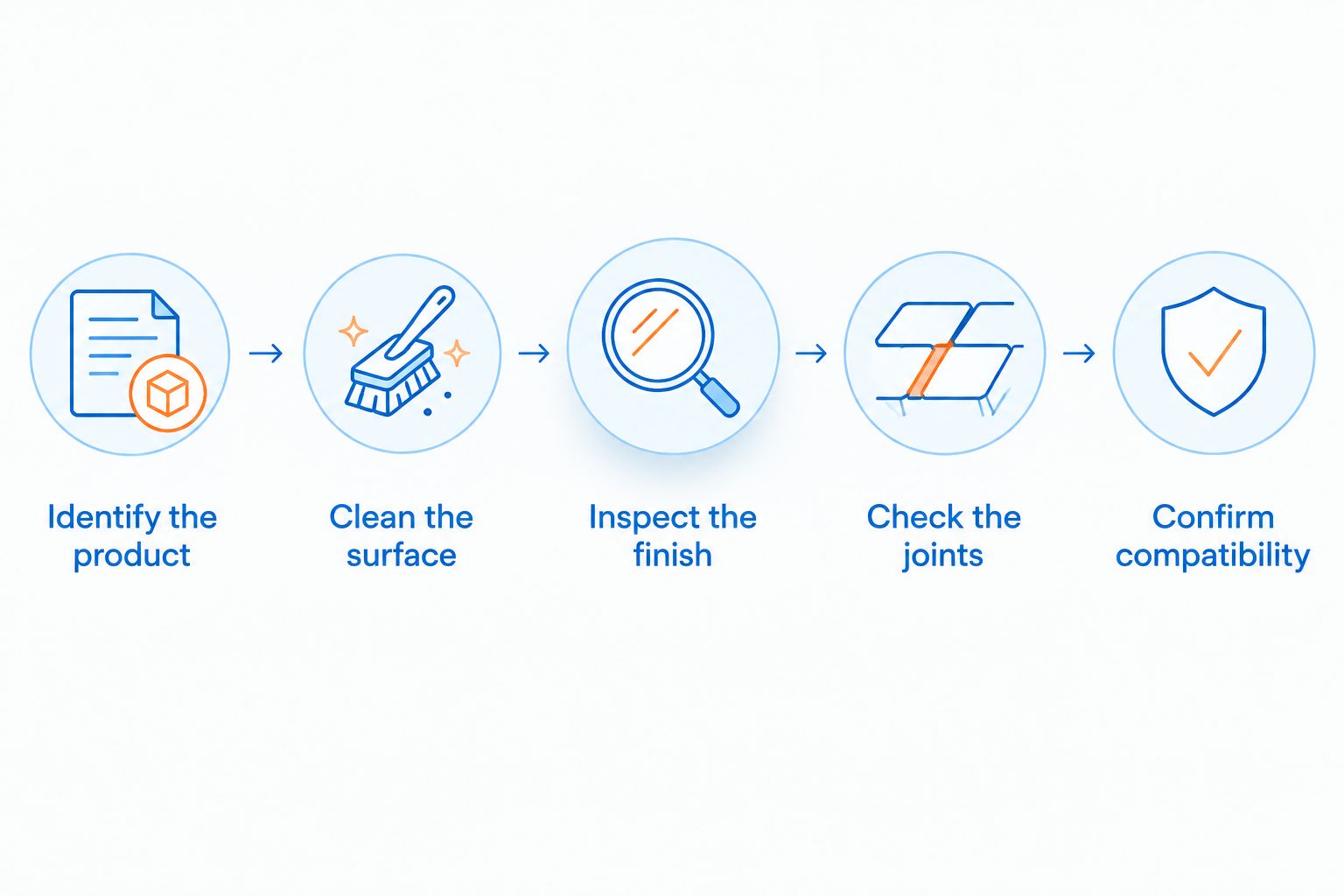
Keep the results together in your 2026 home-maintenance record. Include photographs from consistent viewpoints, the product information, and the contractor’s written recommendations. The record makes the next inspection more useful than a vague recollection that the driveway was sealed sometime before.
Can you reseal pavers too often?
Yes—recoating before the existing treatment is ready can create problems instead of solving them. With film-forming products, unnecessary applications can build up the coating or contribute to an uneven finish. Compatibility and preparation still matter even when you want only a light refresh.
Ask what evidence supports another application. A useful answer identifies the existing product, describes its condition, and explains how the proposed work follows the manufacturer’s directions.
“More protection” is not a sufficient explanation by itself. The right maintenance action is the one the surface and product require, not the one that adds the most material.
Does pressure washing mean pavers must be resealed?
No—pressure washing does not automatically create a need for resealing. The decision depends on the existing treatment, the cleaning method, and what the inspection shows afterward.
Cleaning can reveal worn areas that dirt previously concealed. It can also disturb joint material or damage a finish when the method is unsuitable. Ask the contractor to distinguish existing wear from cleaning-related damage before recommending the next step.
Separate the proposed work into cleaning, joint maintenance, repairs, and sealing. That makes the scope easier to understand and prevents a cleaning appointment from becoming an unexplained full restoration.
What should you ask before booking paver maintenance?
For a home, explain how you use the area: vehicle access, outdoor dining, pool access, or a main entrance. Ask how the proposed work affects access and what product-specific conditions must be met before you use the surface again.
Bring these questions to the conversation:
- What paver material and existing treatment are present?
- What condition makes resealing necessary now?
- Which cleaning and preparation steps are included?
- Does the joint material need separate attention?
- What happens if a test area shows incompatibility?
- What written maintenance instructions will remain with the homeowner?
Socalemm is a fit for Orange County homeowners seeking local exterior cleaning. For cleaning-related preparation, request a quote and describe the pavers, visible coating issues, and previous maintenance. Confirm whether the requested work includes only cleaning or any additional treatment; do not assume sealing is part of a washing appointment.
If you are gathering estimates in 2026, compare written scopes rather than treating every “paver maintenance” description as the same service. Preparation and exclusions matter as much as the finish named on the proposal.
Commercial properties need a separate access plan
For a storefront, shared walkway, or other business property, identify pedestrian routes, deliveries, tenant access, and the person responsible for reopening the area. Keep these operational requirements separate from the technical decision about whether the pavers need sealing.
A maintenance plan for a private patio does not address all the access needs of a commercial walkway. The selected product’s instructions still determine application conditions and return-to-use requirements.
FAQ
How often should pavers be resealed if they still look good?
Pavers that still look good should be assessed against the existing sealer’s maintenance instructions before recoating. Appearance alone does not establish remaining performance, particularly for treatments without a visible surface film.
Should I reseal my pavers every year?
Do not make annual resealing automatic. Follow the specific product’s maintenance directions and confirm that surface condition supports another application.
Does water soaking into pavers mean the sealer is gone?
Water absorption alone does not prove that a sealer is gone. Identify the treatment and use its manufacturer’s recommended assessment method before deciding to reapply.
Can I put new sealer over the old sealer?
Apply new sealer over an existing treatment only when the products and surface condition meet the manufacturer’s compatibility and preparation requirements. Unknown, peeling, or cloudy coatings need investigation first.
Why did my sealed pavers turn white?
White-looking pavers need diagnosis before resealing because mineral deposits and coating-related cloudiness require different responses. Do not assume another coat will remove the cause.
How long should pavers dry before resealing?
Pavers must meet the selected sealer’s drying and moisture requirements before application. Use its technical instructions rather than a universal waiting period.
Can Socalemm help with exterior cleaning before I assess my pavers?
Socalemm provides residential exterior cleaning in Newport Beach and Orange County. Describe the paver material and existing finish when requesting a quote, and confirm the specific cleaning scope before booking.
One last thing
Save the sealer information, not just the finished photographs. A container label, technical data sheet, and application record tell the next contractor more about compatibility than a photograph of a shiny patio.
Before closing your 2026 maintenance file, add the exact product name, preparation notes, and written care instructions. Your next resealing decision should begin with a known treatment—not a guess about what someone previously applied.