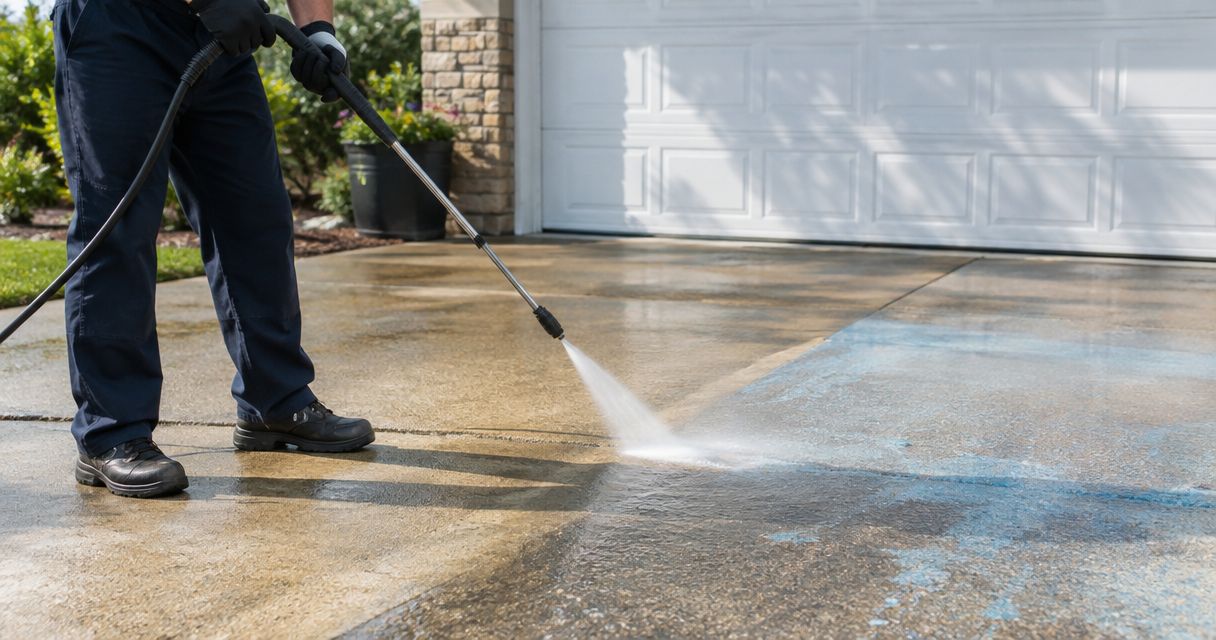
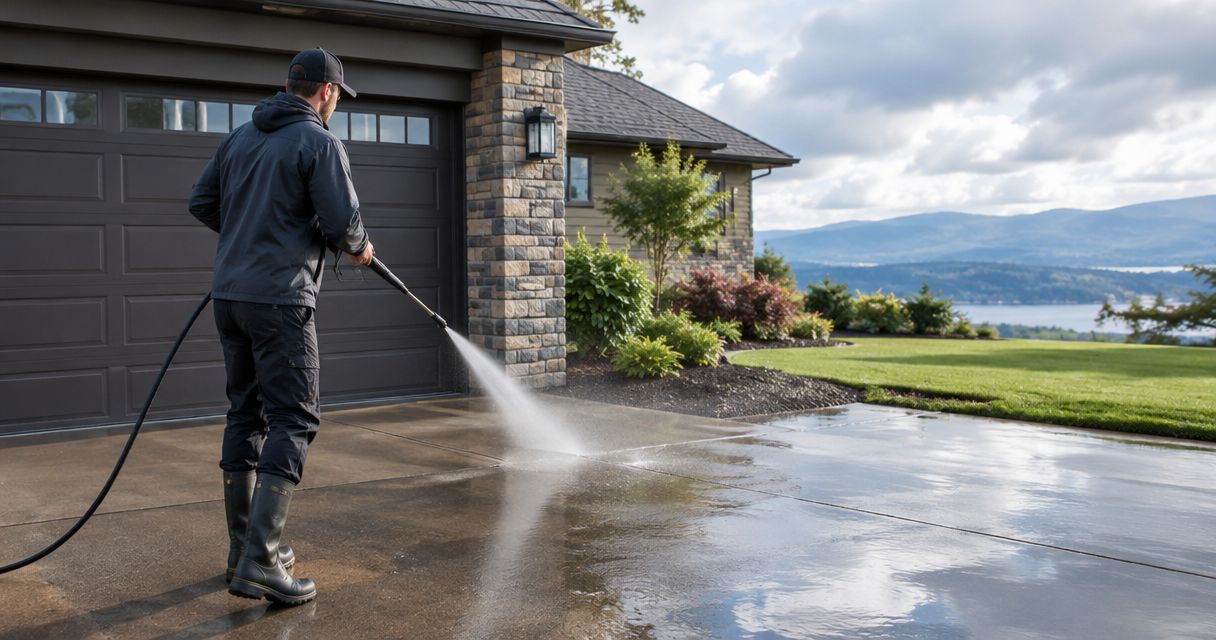
Schedule pressure washing around rainy season by choosing a workable weather window, confirming that the cleaning method suits the surface, and arranging a backup date before work begins. Rain is not the only deciding factor: safe access, runoff control, wind, and any follow-up coating requirements also determine whether an appointment should proceed. For your 2026 maintenance plan, use the forecast and actual site conditions rather than a fixed calendar date.
- Learning how to schedule pressure washing around rainy season starts with surface conditions, runoff control, and a backup date.
- Socalemm serves Newport Beach and Orange County homeowners seeking pressure washing, house washing, and roof soft washing.
- Keep cleaning and sealing schedules separate; follow the coating manufacturer's surface and weather requirements.
- Postpone work when lightning, unsafe footing, or uncontrolled runoff prevents safe cleaning.
Why this matters
A rainy-season cleaning appointment involves more than keeping rain off a freshly washed driveway. Water needs a controlled destination, people need a safe route around the work, and the surface needs the right cleaning method.
When you request a quote from Socalemm, describe the surface, access restrictions, and any work planned afterward. Include your preferred date and explain whether it is flexible. That gives the scheduling conversation a useful starting point without assuming that every rainy forecast requires cancellation.
Book the conditions the job needs, not just an open appointment. A driveway cleaning, house wash, and roof soft wash involve different access and weather decisions.
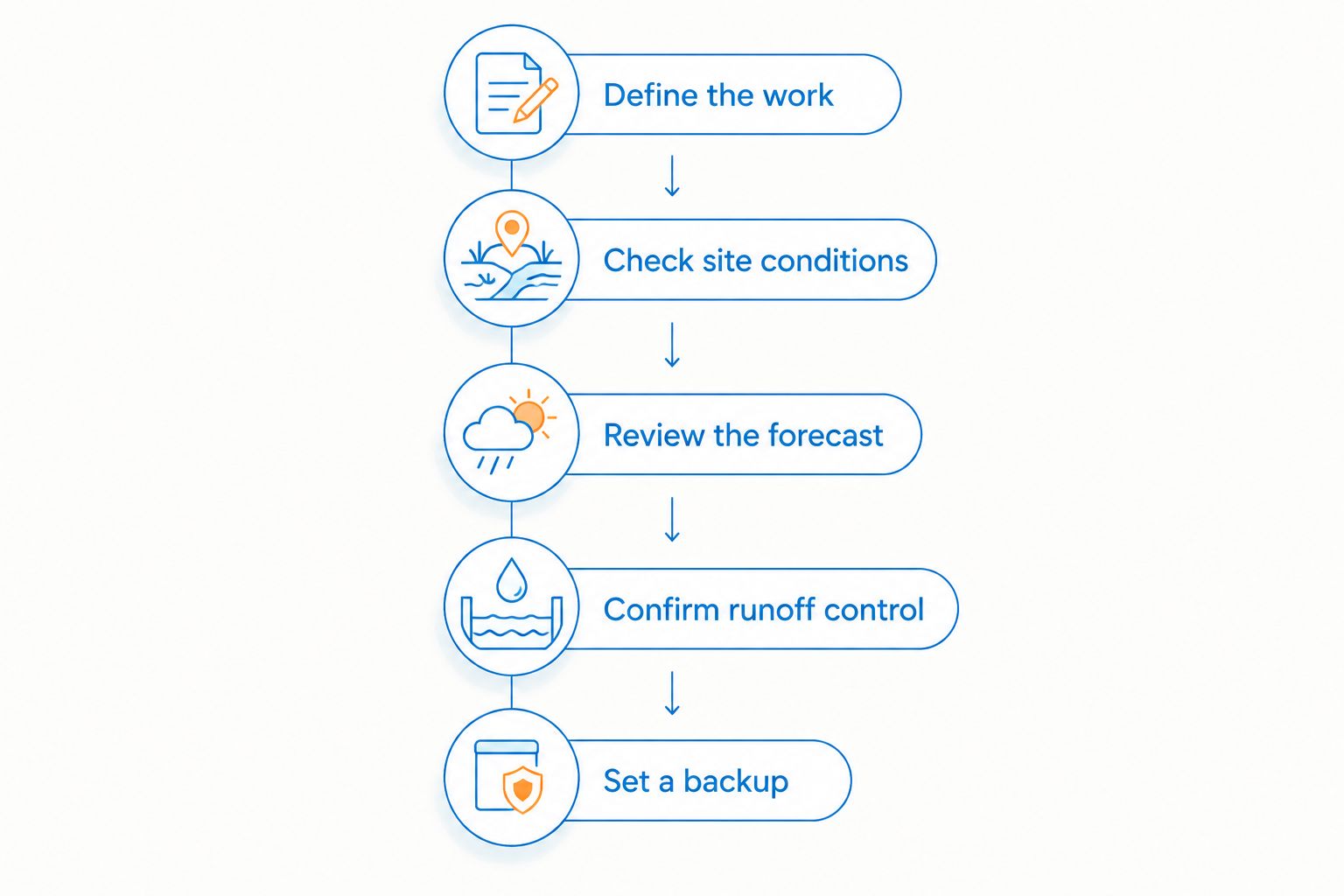
How to schedule pressure washing around the rainy season
Use this sequence to build your 2026 cleaning schedule. Confirm the final weather decision with the person performing the work; a forecast alone does not show drainage problems, damaged surfaces, or slippery access at your property.
- Define the work. Identify whether you need a driveway cleaned, exterior walls washed, or a roof assessed for soft washing. List the surfaces separately rather than describing everything as pressure washing. Different materials require different methods.
- Check site conditions. Look for standing water, blocked drainage paths, loose material, damaged finishes, and areas where pedestrians cannot avoid the work. Photograph anything that needs explanation, but inspect roofs from the ground rather than climbing onto them.
- Review the forecast. Check conditions for the planned work period and any later task that depends on a dry surface. Include wind and thunderstorms in that review, not just the rain symbol on a weather app.
- Confirm runoff control. Ask how wash water and loosened debris will be managed. Explain where water normally collects and whether the work area slopes toward the street, landscaping, or a neighboring property.
- Set a backup. Agree on how a postponement will be communicated and who makes the final decision. Keep dependent work flexible until the cleaning appointment is confirmed.
The sequence matters because an apparently convenient opening can still be unsuitable for the property. Check the surface and drainage first, then decide whether the weather window supports the work.
Choose the timing that matches your goal
There is no single best rainy-season appointment for every homeowner. Choose between these scheduling approaches according to what you need the cleaning to accomplish.
| Scheduling approach | Best for | Advantage | Limitation |
|---|---|---|---|
| Before forecast rain | Cleaning needed before a deadline, when conditions permit | Addresses existing dirt without waiting for the season to end | Later rain can carry new debris onto the surface |
| Between storms | Maintenance with a flexible appointment | Allows work during a suitable break | The opening still needs safe access and controlled runoff |
| After a storm passes | Cleaning areas affected by storm debris | Lets you assess what the storm left behind | Standing water or damage can delay the work |
| Before a coating project | Cleaning that prepares a surface for another contractor | Puts surface preparation before coating | Cleaning completion does not establish coating readiness |
For routine cleaning, choose a suitable break rather than waiting automatically for the entire rainy season to end. For a project with a firm deadline, explain that deadline before accepting an appointment.
Driveways and patios: plan drainage and access
For a driveway or patio, start with where water goes. Rain can leave puddles and move soil or leaves onto the work area, so inspect low spots and drainage routes before the appointment.
Tell the cleaner about loose joint material, existing cracks, coatings, or damaged areas. Do not assume that a hard surface can tolerate any pressure setting. The surface condition and material should guide the method.
Move vehicles, furniture, and portable items before work starts, following the cleaner's preparation instructions. Decide how household members will enter and leave without crossing hoses or a wet work area.
If you plan to seal or coat the surface afterward, tell both contractors. A clean surface is not automatically ready for a coating. Moisture, preparation, and weather requirements belong to the specific product instructions, not a universal waiting period.
House washing: check openings and nearby items
For exterior walls, a suitable weather window must support the cleaning method and protection of the building. Tell the cleaner about damaged paint, cracked finishes, questionable window seals, and any history of water entering the house.
Close windows and doors, and identify exterior electrical fixtures or other items that need special attention. Ask how nearby plants and movable belongings should be prepared rather than improvising covers that interfere with access.
Wind deserves a separate check. Even without heavy rain, wind can interfere with controlling spray around windows, neighboring property, and landscaping. Ask the cleaner to assess those conditions on the day of service.
Do not use the forecast as a reason to increase pressure or shorten a product's required application process. Weather changes the scheduling decision; it does not replace surface-care instructions.
Roof soft washing: make access the deciding factor
Roof soft washing is not interchangeable with driveway pressure washing. Roof material, condition, cleaning instructions, and safe access require their own assessment.
Do not climb onto a roof to check whether it has dried enough for an appointment. Describe what you can see from the ground, including visible damage, accumulated debris, or areas that remain shaded, and let the service provider assess the work.
For a 2026 roof-cleaning appointment, ask what conditions trigger postponement and how access will be handled. A clearing forecast does not establish that a roof or ladder setup is safe.
Keep roof work separate from an assumption that every exterior surface can be cleaned during the same visit. Ask whether combining tasks is appropriate instead of building a schedule around that expectation.
Why rainy-season scheduling varies
These factors explain why nearby homes can need different scheduling decisions under the same forecast:
- Surface material and condition. Concrete, painted walls, stucco, and roofing do not share one cleaning method. Existing damage needs attention before work proceeds.
- Rainfall timing and intensity. Conditions during application, rinsing, and cleanup matter more than a daily forecast icon. Follow any cleaning-product weather restrictions.
- Wind and lightning. Spray control and safe working conditions remain necessary even when rainfall itself appears manageable. Stop outdoor work during a thunderstorm.
- Drainage and runoff. Standing water, slopes, and debris affect how wash water can be controlled. Do not plan to let dirty water disappear into a street drain.
- Access and household use. Vehicles, gates, pets, and the route to your front door affect how the work area can be separated from daily activity.
- Follow-up work. Painting, sealing, repairs, and photography create different scheduling needs. Confirm each task's requirements rather than borrowing a drying rule from another project.
What to confirm before accepting an appointment
For your 2026 booking, make the weather conversation specific. Ask what happens if rain starts during the work, who will contact you about a postponement, and whether a different surface or access problem requires reassessment.
Explain your deadline plainly. A family gathering, exterior repair, or listing photograph creates a different constraint from routine maintenance, but none removes the need for safe conditions.
Socalemm is a fit for Orange County homeowners seeking residential pressure washing, house washing, or roof soft washing. Describe the job you need and ask which conditions must be met for it to proceed; do not assume a particular weather policy or completion date.
Before booking, confirm:
- Which surfaces are included and which need separate assessment.
- What you must move, close, or make accessible.
- How people and pets will stay outside the work area.
- How wash water and debris will be managed.
- How weather-related changes will be communicated.
- What must happen before any follow-up contractor begins.
Request a cleaning quote
Describe your surfaces, property access, and preferred timing in Newport Beach or Orange County.
Should you pressure wash before or after rain?
Choose before or after rain according to site conditions and your goal, not a blanket rule. Cleaning before rain addresses existing dirt, while cleaning afterward lets you assess debris and staining left by the weather.
If you only need routine maintenance, a suitable break between storms can also work. Do not treat rain as a substitute for cleaning or assume that rainfall automatically undoes completed work.
How long should you wait after rain to pressure wash?
Wait until the work area supports safe access and controlled cleaning, rather than using a universal elapsed-time rule. Standing water, saturated surroundings, surface damage, and the planned method determine the next step.
If sealing or painting follows, use that product's surface-moisture and weather requirements. A surface that is accessible for cleaning is not necessarily ready for another treatment.
What if the forecast changes after you book?
Contact the cleaner and reassess the actual conditions before the appointment proceeds. Share new information about flooding, blocked access, fallen debris, or damage rather than relying only on the updated forecast.
Keep your backup date separate from any promise to a later contractor. For your 2026 calendar, mark dependent work as tentative until the cleaning and preparation requirements are settled.
Commercial properties need a separate schedule
A homeowner's access plan does not cover a storefront or shared business entrance. Commercial scheduling must account for customers, staff, deliveries, and anyone using the affected walkway.
Identify who can authorize closing or redirecting access to the work area. Tell the cleaner about delivery periods and entrances that must remain usable, and ask whether the proposed setup can accommodate those requirements.
Rain does not remove the need to separate pedestrians from cleaning activity. If safe access and runoff control cannot be maintained, change the work plan or appointment rather than treating quieter weather as the only requirement.
FAQ
Can pressure washing go ahead in light rain?
Light rain does not answer the scheduling question by itself. The cleaner must assess safe access, spray control, runoff, and any product restrictions before proceeding.
Will rain make my driveway dirty again after cleaning?
Rain can carry soil, leaves, and other debris onto a cleaned driveway. Check nearby soil, drainage paths, and overhanging vegetation when planning how to keep the surface clean.
Should I wait until the rainy season ends to wash my house?
You do not need to wait automatically for the rainy season to end. Choose a weather window that supports the house-washing method, building protection, and safe working conditions.
Can I book cleaning and driveway sealing together?
You can coordinate the projects, but cleaning completion does not establish that the driveway is ready for sealer. Follow the specific sealer's preparation, moisture, and weather requirements.
What should I tell a cleaner when asking for a rainy-season appointment?
Describe the surfaces, access restrictions, drainage concerns, and any deadline or follow-up work. Ask how weather changes and postponements will be communicated.
Is a wet roof safe to inspect before a cleaning appointment?
Do not climb onto a wet roof to prepare for a cleaning appointment. Make observations from the ground and leave the access assessment to the service provider.
Should pressure washing stop if there is lightning?
Outdoor pressure washing should stop during a thunderstorm. Seek appropriate shelter rather than continuing because the rain appears light.
One last thing
Before moving the appointment, check what sends dirt back onto the surface. A soil-filled runoff path or leaves collecting at a low spot can matter more to the next cleanup than whether rain arrives after washing.
For your 2026 maintenance plan, pair cleaning with a ground-level check of those problem areas. Tell Socalemm what you notice when discussing the job so the conversation covers both the surface and the conditions around it.