A commercial fleet should be washed when accumulated dirt, road film, or other contamination calls for cleaning—not automatically pressure washed on a fixed calendar. Set a recurring wash schedule around vehicle use, then adjust it after inspections and unusually dirty routes. The vehicle manufacturer’s cleaning instructions determine whether pressure washing is appropriate and which areas need a gentler method.
- How often should a commercial fleet be pressure washed? Use inspections and operating conditions rather than a universal interval.
- Separate routine appearance cleaning from contamination that needs prompt attention and a material-specific method.
- Socalemm provides commercial exterior cleaning in Orange County; confirm vehicle-cleaning scope before arranging a fleet wash.
- Follow vehicle care instructions, protect sensitive components, and plan wash-water handling before work begins.
Why this matters: A fleet wash schedule must account for both cleanliness and vehicle care. For your 2026 maintenance plan, define what triggers cleaning before choosing recurring dates. Socalemm provides commercial exterior cleaning in Newport Beach and Orange County; describe your vehicles and worksite when discussing whether a job fits its services.
How often should a commercial fleet be pressure washed?
Wash according to observed buildup and operating conditions; use a calendar to organize the work, not to override vehicle condition. A vehicle returning from a muddy job and a vehicle parked under cover do not need identical treatment simply because they belong to the same business.
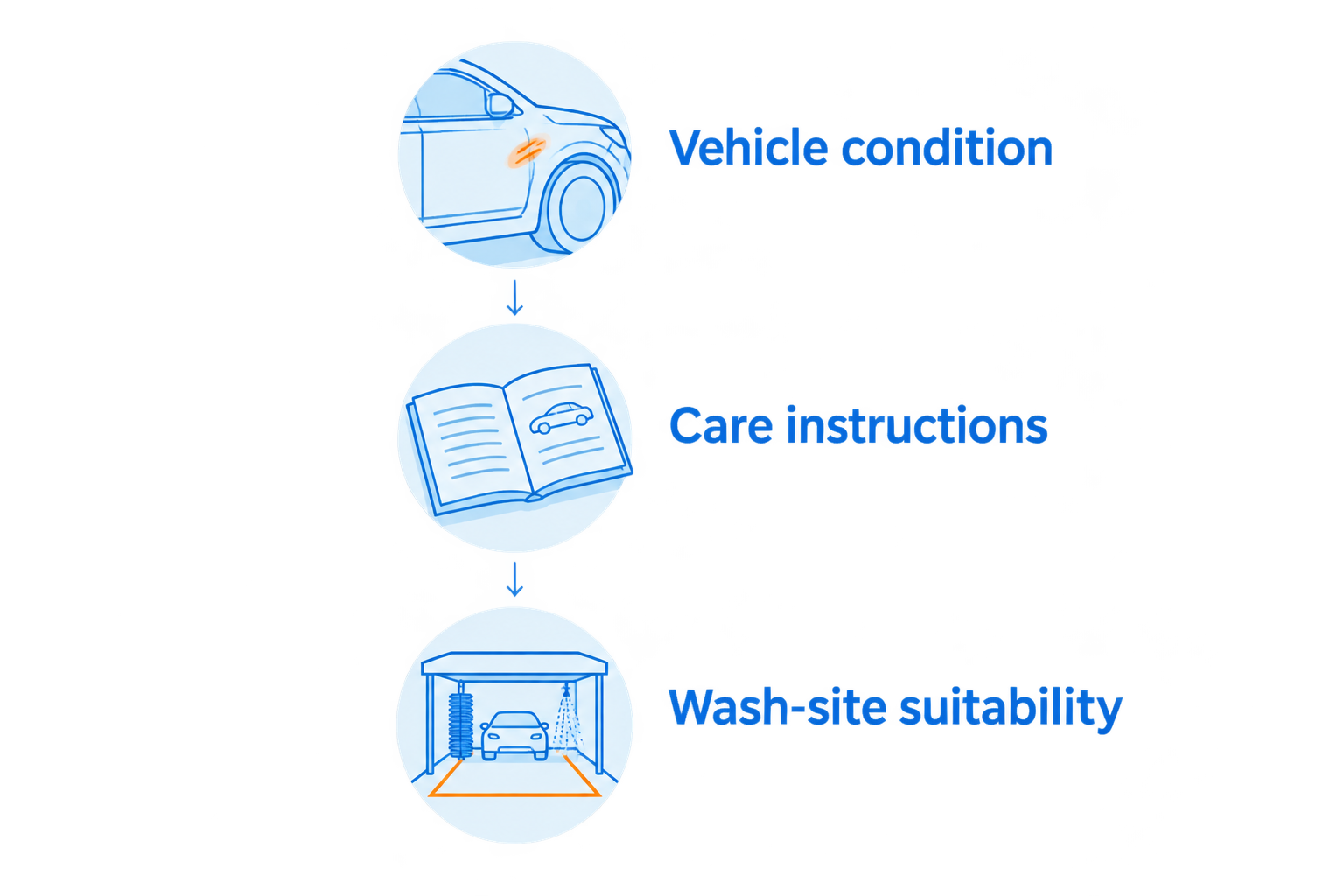
Start with 3 checks: vehicle condition, care instructions, and wash-site suitability. Those checks establish whether cleaning is needed, which method fits, and where the work can take place.
| Scheduling approach | Best for | Benefit | Limitation |
|---|---|---|---|
| Recurring cleaning | Vehicles with consistent routes and similar exposure | Makes cleaning easier to coordinate with operations | A fixed date does not account for unusual contamination |
| Condition-based cleaning | Vehicles with changing routes, loads, or work environments | Connects cleaning to actual buildup | Requires someone to inspect and record conditions |
| Recurring cleaning with extra triggers | Fleets needing predictable bookings and flexibility | Combines planned work with attention to exceptions | Requires clear rules for authorizing additional cleaning |
For your 2026 schedule, combine recurring appointments with condition checks. Keep vehicles on the same schedule only when their use, exposure, and cleaning requirements are comparable. Do not assign a more aggressive washing method just because a vehicle looks dirtier.
Check vehicle condition
Look at representative vehicles before deciding whether the whole fleet needs washing. Inspect lower panels, wheel areas, steps, windows, lights, and registration plates without crawling beneath unsecured vehicles.
Distinguish dirt from damage. Flaking paint, lifting graphics, cracked seals, and loose trim need attention before washing; a stronger spray is not a remedy for a deteriorating surface.
Check care instructions
Use the vehicle manufacturer’s guidance and any separate instructions for graphics, wraps, aftermarket equipment, or specialized bodies. Instructions for a concrete parking area do not apply to a painted vehicle.
Pressure washing describes a method, not a requirement. Some surfaces and components need a different approach, and the cleaning plan should identify those exceptions before equipment is set up.
Check wash-site suitability
Confirm that the proposed wash area has suitable access, space to keep people clear, and an appropriate way to manage wastewater. Identify nearby drains before cleaning begins.
Do not assume that a parking space is an approved wash area. Check applicable local requirements and site rules, including any restrictions set by a property manager or landlord.
Why commercial fleet washing frequency varies
The right schedule reflects how your vehicles operate, not just how they look in the parking lot. Use these factors when reviewing your 2026 maintenance calendar:
- Route conditions: Paved delivery routes, dusty access roads, and muddy worksites produce different cleaning needs. Record the exposure rather than assuming every vehicle returns equally dirty.
- Type of contamination: Loose dust, oily residue, bird droppings, and hardened mud call for different decisions. Identify the material before choosing a cleaner or increasing spray force.
- Vehicle construction and condition: Paint, wraps, exposed equipment, damaged seals, and electrical components affect the method. Follow the applicable care instructions.
- Customer-facing use: Decide what appearance standard your business expects for vehicles visiting customer properties. Keep that standard separate from safety and mechanical inspections.
- Parking and storage: Covered storage and outdoor parking expose vehicles differently. Inspect what is actually collecting on the vehicle instead of assigning a schedule from location alone.
- Operational access: Cleaning has to fit dispatch, driver access, and a suitable wash location. A workable schedule specifies when vehicles will be stationary and who releases them for service.
Avoid treating the dirtiest vehicle as proof that every vehicle needs the same schedule. Group vehicles by similar work and exposure, then keep a separate exception list for unusual contamination or surface concerns.
How do you build a practical fleet wash schedule?
Build the schedule from observations you can repeat. You do not need a complicated maintenance system, but you do need clear responsibilities and a consistent definition of when cleaning is due.
Record the starting condition
Create a simple vehicle list with identifiers, usual routes, parking arrangements, and surface-care restrictions. Record existing damage before the first wash so that later inspections have a useful reference.
Use photos taken from consistent positions. Include the lower body and any areas that repeatedly collect dirt, while keeping customer information and sensitive business details out of the images.
Define your cleaning triggers
Write down what requires action between scheduled washes. Examples include contamination that obscures lights or plates, material on steps or handholds, and deposits that the applicable care instructions say to remove promptly.
Keep the response specific. An obscured light needs attention before the next route; it does not automatically mean that every vehicle needs a complete wash that day. Cleaning is not a substitute for repairing a failed light or damaged component.
Assign the decision
Name the role responsible for checking vehicles and the role authorized to arrange cleaning. Drivers can flag concerns, while a fleet manager or dispatcher coordinates access and service scope.
Keep 2 records: a condition record and a service record. The condition record explains why work was needed; the service record states what was cleaned and identifies any areas excluded because of damage or care restrictions.
Review the result before repeating
Check the vehicle after cleaning for remaining soil, water entry, disturbed trim, or changes to graphics. Report concerns before repeating the same method on other vehicles.
For your 2026 review, compare the vehicle’s condition before the next planned appointment with the standard you set. Shorten the gap when unacceptable buildup returns beforehand; extend it when vehicles consistently remain within your standard. Keep contamination-triggered cleaning separate from that calendar adjustment.
Does every fleet vehicle need the same washing method?
No. A shared appointment does not justify using the same spray setting, cleaner, or technique on every vehicle. Vehicle materials, installed equipment, and condition determine the cleaning method.
Check 1 vehicle against its applicable instructions before approving a method for similar vehicles. This is a planning check, not proof that every vehicle in the fleet has identical requirements.
Painted panels and vehicle graphics
Inspect paint and graphics for chips, peeling edges, and existing separation. Follow the relevant care instructions for cleaners, spray distance, and equipment use rather than applying a generic pressure recommendation.
Do not use a fleet wash to test whether a damaged finish will tolerate force. Flag the area and agree on an alternative or exclusion before cleaning starts.
Seals, cameras, and electrical equipment
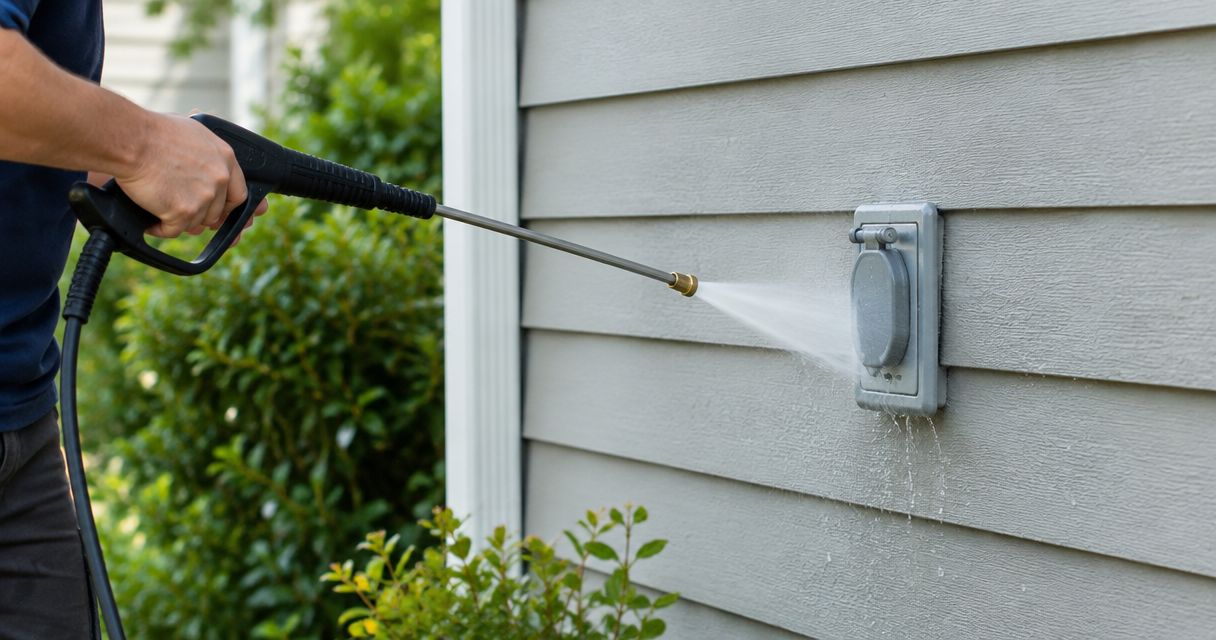
Avoid directing concentrated spray into seals, connectors, openings, cameras, and other sensitive equipment. Check the vehicle’s instructions for prohibited methods and component-specific precautions.
This also applies to aftermarket equipment. A body-mounted accessory does not necessarily share the cab’s cleaning requirements, and a closed cover does not establish that equipment is suitable for pressure washing.
Heavy soil and unidentified residue
Identify unusual residue before treating it. Do not mix cleaning products, and follow product labels and surface-care instructions.
If the material is unknown or potentially hazardous, stop and obtain appropriate handling guidance. A routine exterior wash should not become an improvised spill-cleanup job.
What should an Orange County business confirm before booking?
Send a clear description of the job rather than requesting a generic fleet wash. Include vehicle types, exterior materials, approximate condition, proposed location, access restrictions, and any equipment or graphics requiring special care.
Socalemm is a fit for Orange County businesses seeking commercial exterior cleaning. For a fleet inquiry, confirm the vehicle-cleaning scope directly rather than assuming that building or pavement cleaning includes vehicles.
When you request a quote, ask for the proposed scope, exclusions, preparation requirements, and wastewater arrangements. A useful scope distinguishes vehicle exteriors from surrounding pavement, loading areas, or storefront surfaces.
There is a practical benefit and a limitation to combining site cleaning with a fleet inquiry. Coordinating access can simplify planning, but vehicles and building surfaces require separate cleaning decisions. Keep both scopes explicit.
Should you wash a fleet after rain?
Rain is a reason to inspect the fleet, not an automatic instruction to pressure wash it. Check for road spray, mud, and residue after vehicles return, then use the cleaning method their condition requires.
Do not count rainfall as a completed cleaning service. Equally, do not add a full wash solely because the calendar shows rain; look at the actual vehicle condition and check that the proposed wash area remains suitable.
For 2026 planning, distinguish weather-related schedule changes from contamination-related cleaning. One changes when work can happen; the other changes what work is needed.
Should customer-facing vehicles be washed more often?
Customer-facing vehicles need an appearance standard that your business defines and checks. A vehicle arriving at a customer property can meet that standard without sharing the same cleaning schedule as a work truck returning from a muddy site.
Tell drivers what to report, and identify who decides whether targeted cleaning or a complete wash is required. An appearance check should never replace checks of visibility, lights, tires, or other vehicle safety requirements.
FAQ
Should commercial fleet vehicles be pressure washed every week?
A weekly appointment is not a universal requirement for commercial fleets. Choose a recurring schedule from observed buildup, operating conditions, and vehicle care instructions, then add cleaning when specific contamination requires attention.
Can pressure washing damage fleet vehicle wraps?
Pressure washing can damage vehicle wraps when the method conflicts with the wrap’s care instructions or targets damaged edges. Check the applicable instructions and inspect for lifting or peeling before cleaning.
Does rain count as washing a commercial vehicle?
Rain does not replace a planned vehicle-cleaning process. Inspect for remaining road film, mud, and other contamination rather than assuming the vehicle is clean because it was rained on.
Should a parked fleet vehicle stay on the same wash schedule as a daily driver?
A parked fleet vehicle should be scheduled according to its actual exposure and condition, not automatically treated like a daily driver. Outdoor deposits and storage conditions still require inspection.
Can a fleet be washed in a business parking lot?
A business parking lot is suitable only when the site permits the work and wastewater can be managed under applicable requirements. Confirm drainage, access, property rules, and wash-water handling before booking.
What should I tell Socalemm when asking about commercial fleet cleaning?
Tell Socalemm the vehicle types, condition, proposed Orange County location, and any graphics or sensitive equipment. Confirm whether the requested vehicle-cleaning work fits its service scope before arranging an appointment.
One last thing
A shorter wash interval cannot correct the wrong cleaning method. Before increasing frequency, check whether the previous service removed the intended soil without creating surface or water-entry concerns.
Add a simple instruction to your maintenance plan: report damage and unidentified residue before washing. That gives the person arranging service a chance to change the scope instead of repeating an unsuitable process across the fleet.