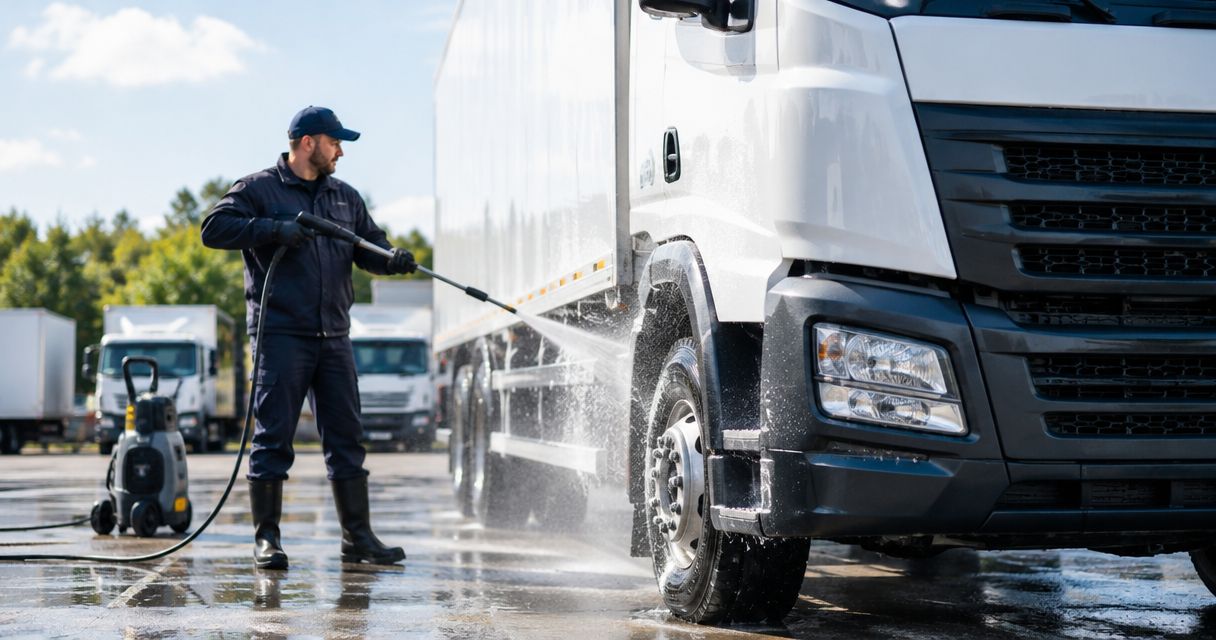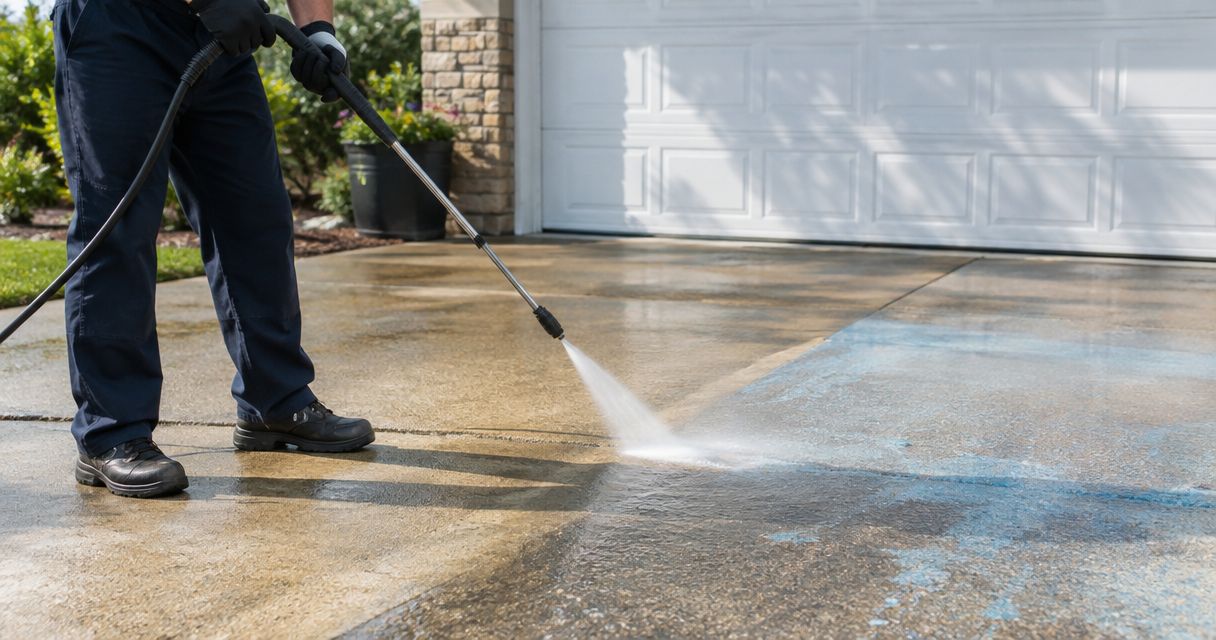
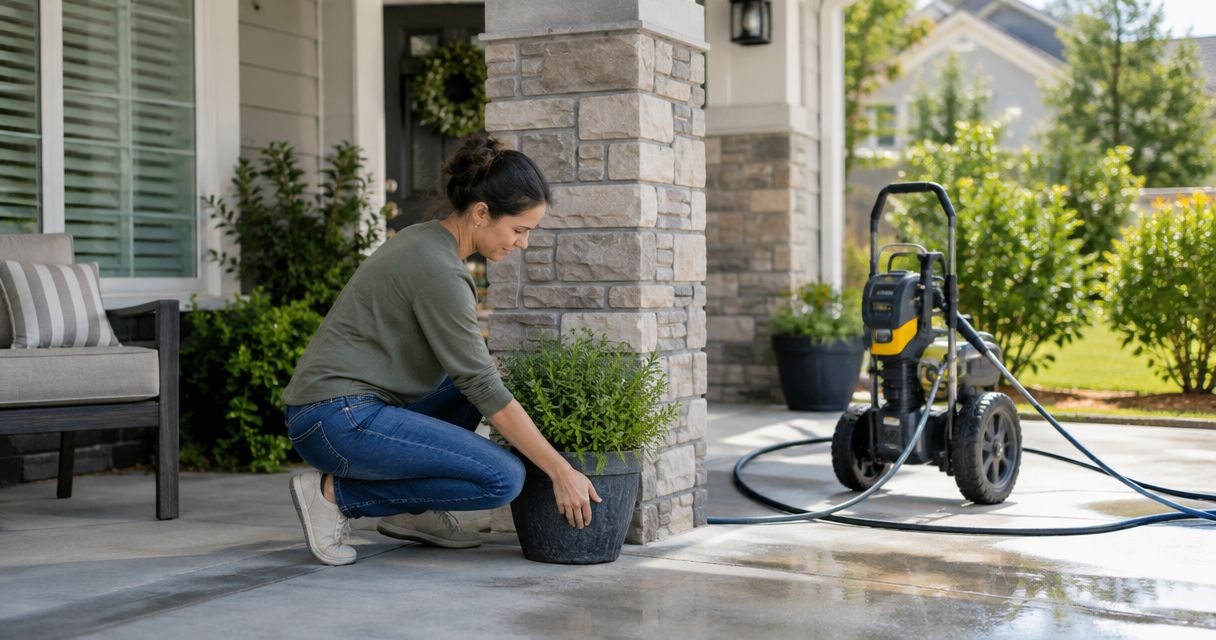
Prepare your home for a pressure washing appointment by clearing the cleaning area, closing windows and doors, securing pets, and confirming access with your cleaner. Point out leaks, loose finishes, and electrical hazards before work begins; preparation does not mean climbing onto the roof, applying chemicals, or trying to repair unsafe fixtures yourself.
- How to prepare home for pressure washing appointment: clear access, close openings, secure pets, and flag existing damage.
- Socalemm provides residential exterior cleaning for homeowners in Newport Beach and Orange County.
- Confirm the cleaning scope and water access before moving heavy furniture or disconnecting equipment.
- Keep children and pets away until the cleaner confirms the work area is ready to use.
Why this matters
Your main preparation job is to make the property accessible and explain its condition—not to pre-clean it. A closed window with a known leak still needs attention. An empty driveway is not ready if a locked gate blocks the route to the water supply.
For your 2026 appointment, confirm the surfaces included in the job before reorganizing the property. Driveway cleaning, house washing, and roof soft washing involve different work areas, so a general instruction to clear everything outside is not specific enough.
Socalemm provides residential exterior cleaning in Newport Beach and Orange County. Ask what needs moving for your particular appointment rather than assuming furniture handling, screen removal, or other preparation is included.
How do you prepare your home before a pressure washing appointment?
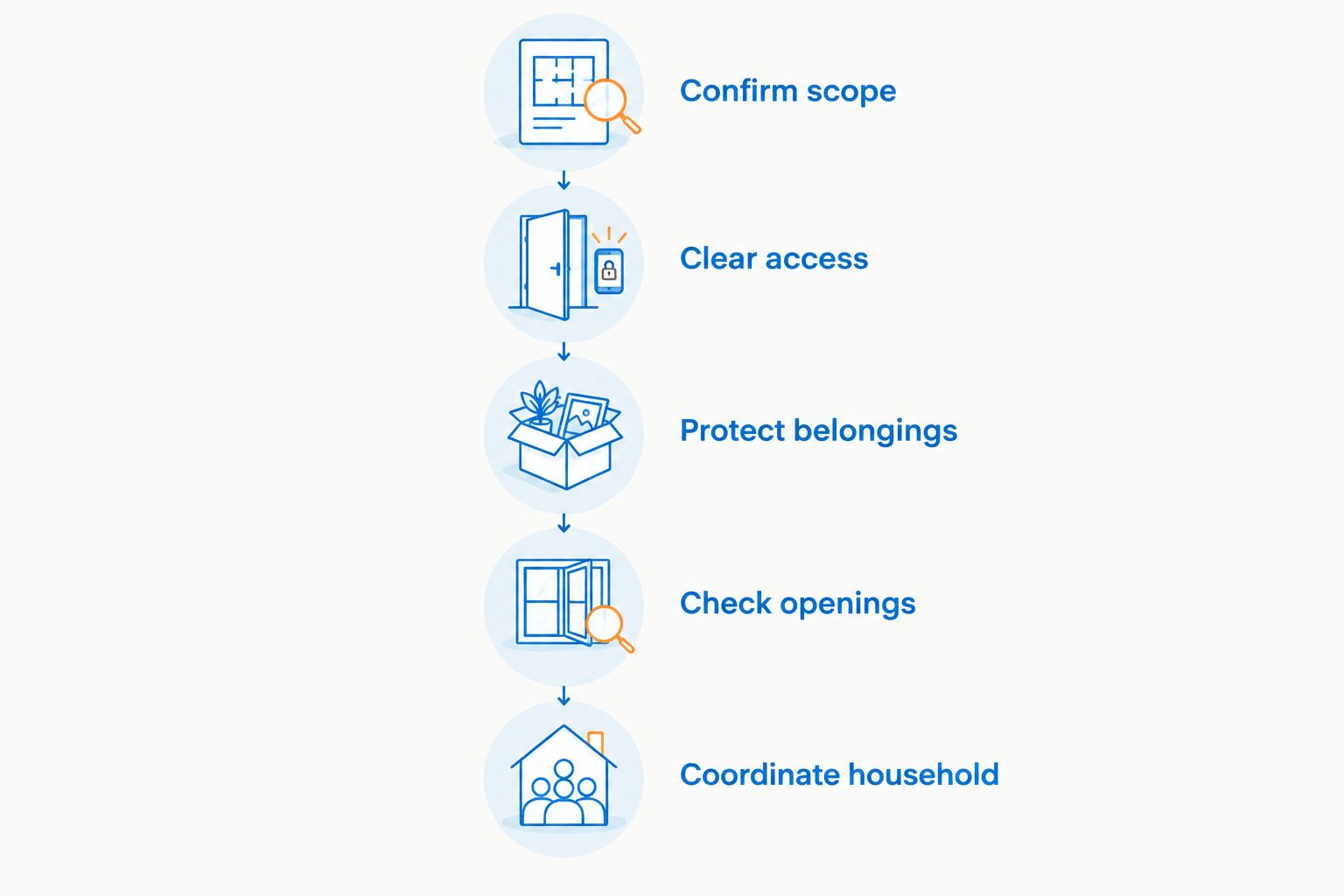
Follow this sequence before the cleaner arrives. Start with scope and access, then handle belongings, openings, and household arrangements.
1. Confirm scope
Ask which surfaces will be cleaned and which will remain untouched. Name the driveway, front walkway, patio, exterior walls, or roof separately instead of describing the appointment as washing the house. Include areas that require a side gate or a route through the backyard.
Tell the cleaner about surfaces you are unsure of, including painted concrete, wood, decorative stone, and previously sealed paving. Do not choose the washing method yourself based only on how dirty something looks. Identify the material and its condition, then let the cleaner explain the proposed approach.
Also clarify what happens around attached features such as awnings, exterior lights, cameras, and door hardware. Confirm whether those items are included, avoided, or require preparation by you. Save that written scope with your 2026 booking details so everyone works from the same instructions.
2. Clear access
Move vehicles out of the agreed cleaning area before work begins. Think about the exit route as well as the parking space: a vehicle behind the work area still needs a clear way out. Do not leave the keys inside a car that another household member will need during the appointment.
Unlock agreed gates and remove obstacles along the route between the equipment, water connection, and cleaning area. Put away toys, garden tools, loose hoses, and anything that creates a trip hazard. Check that a gate can open fully without hitting stored items.
If furniture or planters are too heavy to move safely, send photos and discuss them beforehand. Do not drag heavy pots over surfaces or attempt a difficult lift simply to meet a preparation checklist. Agree on what will stay in place and what that means for cleaning underneath it.
3. Protect belongings
Bring cushions, outdoor rugs, blankets, decorations, and other water-sensitive belongings indoors. Move portable grills and furniture when they obstruct the agreed work area, but leave connected gas appliances alone until you have discussed safe handling with the appropriate professional.
Move potted plants out of the immediate work area where practical. Point out planted beds, delicate foliage, edible plants, and irrigation equipment that cannot move. Tell the cleaner about sensitive landscaping before work starts rather than relying on a cover you installed yourself.
Do not wrap live electrical equipment, block ventilation openings, or improvise covers around operating appliances. Explain what equipment is present and ask what preparation is appropriate. Cameras, lighting, outlets, and doorbells deserve attention even when they are designed for outdoor use; outdoor placement does not make direct cleaning exposure appropriate.
4. Check openings
Close and latch windows, exterior doors, and garage doors near the cleaning area. Check less obvious openings, including pet doors and windows behind curtains. Move indoor belongings away from any opening with a known history of water entry.
Report cracked glass, damaged seals, loose trim, deteriorated caulk, open vents, and other defects you can see safely from the ground. Do not climb a ladder to inspect hard-to-reach areas for the appointment. Tell the cleaner where you have noticed a problem and let them assess the next step.
Photograph existing damage before cleaning and keep the images with your appointment notes. Useful views include the affected detail and its surrounding area, making its location clear. Photos document condition; they do not replace a conversation about a leak, unstable finish, or area that needs to be excluded.
5. Coordinate household
Keep children and pets inside or away from the work area during cleaning. Move pet bowls, bedding, and toys before work starts, and arrange bathroom breaks or walks so nobody needs to cross an active work zone unexpectedly.
Confirm the water connection the cleaner expects to use and make it accessible. Report a leaking faucet, damaged connection, or other known problem. Do not disconnect unfamiliar equipment or change electrical settings unless the cleaner has explained the request and you can carry it out safely.
Agree on how the cleaner will reach you and identify another household contact if needed. Ask whether you need to be present and when you can return belongings or use the cleaned surfaces. Do not assume the end of spraying means every area is immediately ready for normal use.
Match your preparation to the cleaning area
Use this comparison to decide where to concentrate your effort. These are preparation priorities, not instructions to choose a cleaning method or operate washing equipment.
| Cleaning area | Best for this preparation focus | Benefit | Limitation to discuss |
|---|---|---|---|
| Driveway and walkways | Clearing vehicles and travel routes | Gives access to the agreed surface | Parked vehicles and fixed objects restrict access |
| Patio | Moving loose furniture and soft furnishings | Exposes the surface beneath movable belongings | Heavy or connected items need a separate plan |
| House exterior | Closing openings and identifying defects | Makes vulnerable areas easier to discuss | Closing a window does not repair a leaking seal |
| Roof | Ground-level access and reporting known leaks | Keeps homeowner preparation off the roof | Roof access and cleaning decisions require professional assessment |
Driveways and patios: clear the whole work area
For driveway cleaning, move cars, bicycles, bins, and portable storage out of the agreed area. Keep the access route clear too. Ask where you should park so you will not need to cross the work area while cleaning is underway.
For patios, separate movable belongings from fixed features. Cushions and lightweight chairs are different from a built-in cooking area or a heavy table. Tell the cleaner what cannot move and ask whether the agreed scope includes accessible areas around it.
Point out oil spots, rust marks, damaged joints, and loose surface material. An identified stain is a discussion point, not a promise of removal. Avoid applying household chemicals beforehand; explain any products you have already used so the cleaner has that information.
House exteriors: flag weak points before washing
Walk around the exterior from ground level and note visible cracks, peeling paint, loose trim, and areas where water has previously entered. Include windows or doors that look closed but do not seal properly. Tell the cleaner about recent repairs or coatings and share any care instructions you have.
For stucco, distinguish cleaning from repair. Do not expect washing to correct cracking, loose material, or water intrusion. The guide to whether pressure washing can damage stucco explains why surface condition belongs in the conversation before cleaning.
Ask about screens rather than removing them automatically. Damaged frames or difficult fittings deserve a separate plan, and removing something unnecessarily creates another handling task. Leave anything unsafe or difficult to reach for professional assessment.
Roof appointments: prepare from ground level
Roof preparation is not a homeowner climbing task. Clear the agreed ground-level access route and move portable belongings away from the work area. Identify skylights, solar panels, roof-mounted equipment, and known leaks from a safe location.
Tell the cleaner about roof repairs or manufacturer instructions you already have. Ask what ground-level areas need to remain clear and how household access will work during the appointment. Keep pets away from those areas until the cleaner gives further instructions.
Do not pre-treat the roof or walk on it to take close-up photographs. Ground-level photos and a clear description are useful starting points. Decisions about access, roof condition, and the cleaning approach belong with the person assessing the job.
Why preparation varies between homes
Your 2026 preparation checklist should reflect the property, not just the service name. These factors change what needs attention:
- Surface condition: Loose paint, damaged seals, and deteriorated materials need discussion before cleaning.
- Access: Gates, narrow side passages, and shared routes affect how the work area is reached.
- Movable belongings: A furnished patio requires different preparation from an empty walkway.
- Fixed equipment: Connected appliances, cameras, lighting, and irrigation need clear handling instructions.
- Landscaping: Plants beside the cleaning area need to be identified before work begins.
- Household use: Pets, children, deliveries, and vehicle movements need a plan that avoids the active work area.
Socalemm is best suited to homeowners seeking residential exterior cleaning in Newport Beach and Orange County. Confirm the preparation details for your property rather than treating a general checklist as the service agreement.
Do I need to be home during pressure washing?
You need to confirm attendance requirements with the cleaner before the appointment. Do not assume an unlocked gate and accessible faucet are enough; scope questions or unexpected conditions still require a reachable contact.
If you will be away, agree on access instructions and keep your phone available. Share gate codes privately rather than leaving them in publicly visible notes.
Should I wash or treat surfaces before the cleaner arrives?
You should clear belongings and identify problems rather than pre-treating surfaces without instructions. Tell the cleaner about chemicals, sealers, or coatings already applied so they can consider that information when planning the work.
Do not mix cleaning products or add a treatment because a stain looks difficult. Leave the cleaning approach to the agreed service.
FAQ
What should I move before a pressure washing appointment?
Move vehicles, loose furniture, cushions, rugs, toys, and other portable belongings out of the agreed cleaning area. Discuss heavy, fixed, or connected items with the cleaner instead of moving them unsafely.
Should I close all my windows before house washing?
Close and latch windows and exterior doors near the cleaning area. Report known leaks or damaged seals because closing an opening does not repair it.
Do I need to provide water for pressure washing?
Confirm water requirements with your cleaner before the appointment. Make the agreed connection accessible and report any known leaks or damage.
Can my dog stay in the backyard during pressure washing?
Keep your dog away from the active cleaning area. Arrange a separate secure space and ask the cleaner when the yard is ready to use again.
Should I cover outdoor outlets myself?
Ask the cleaner how outdoor electrical fixtures should be handled and report damaged covers or exposed wiring. Do not improvise protection around live equipment or assume an outdoor fixture can receive direct spray.
Do I need to remove window screens before house washing?
Remove screens only if that preparation has been agreed with your cleaner. Flag damaged frames or difficult fittings before anyone tries to remove them.
What should I tell my cleaner before a 2026 appointment?
Tell your cleaner about existing damage, known leaks, recent coatings, sensitive landscaping, access restrictions, and fixed equipment. Confirm the cleaning scope and how to reach you before work begins.
One last thing
A known leak matters more than a perfectly cleared patio. Before your 2026 appointment, send a short note identifying anything that must stay dry, remain untouched, or receive closer assessment. Include photos where they help explain the location.
When arranging residential exterior cleaning with Socalemm, keep those condition notes separate from your list of requested surfaces. That makes the distinction clear: what you want cleaned, and what needs discussion before cleaning starts.