Paver sealing has no single cure time: follow the specific sealer’s instructions for foot traffic, vehicle traffic, water exposure, and full cure. A surface that feels dry is not necessarily ready for parking or patio furniture. Your reopening schedule also depends on whether the application and weather conditions meet the manufacturer’s requirements.
- How long does paver sealing take to cure? The sealer’s instructions control; surface dryness alone does not establish readiness.
- Separate foot traffic, vehicle traffic, rain exposure, and full cure when planning access.
- Socalemm provides exterior cleaning in Newport Beach and Orange County; confirm sealing scope separately.
- Keep irrigation, furniture, and parked vehicles off freshly sealed pavers until the applicable instructions permit them.
How long does paver sealing take to cure?
The correct waiting period comes from the exact product applied, not from a general rule for all pavers. For your 2026 project, ask the applicator to identify the sealer and provide its current application instructions before work begins.
Use these separate milestones to plan access:
| Milestone | What it establishes | What it does not establish |
|---|---|---|
| Surface dry | The exposed surface has reached the product’s stated drying stage | Permission to walk, park, or replace furniture |
| Foot traffic | The product permits the specified pedestrian use | Readiness for vehicles or concentrated furniture loads |
| Vehicle traffic | The product permits the specified vehicle use | Completion of every curing or exposure requirement |
| Water exposure | The product permits the stated rain or water exposure | Permission for pressure washing or prolonged standing water |
| Full cure | The product has reached its stated curing milestone under suitable conditions | Freedom from all future staining, wear, or maintenance |
Cleaning and sealing also have separate requirements. If you are preparing the surface, review whether pressure washing can damage pavers before choosing equipment or attempting aggressive stain removal.
Why this matters
A driveway must support tires; a patio must support chair legs, planters, and people moving furniture. Those are different demands, and permission for light walking does not automatically cover the others.
Opening the area too soon can leave marks or disturb an unfinished coating. Waiting without checking the instructions creates a different problem: you still do not know whether the surface was applied correctly or whether unexpected moisture needs attention.
Ask for activity-specific reopening instructions, not simply a statement that the pavers are dry. Keep those instructions where everyone using the property can see them.
Drying and curing are different checkpoints
Drying describes a stage in the product’s loss of water or solvent. Curing describes development toward the product’s intended properties. The details depend on the sealer’s chemistry, so the terms are not interchangeable across every product.
Some sealers form a visible film; others penetrate the surface without producing the same appearance. Gloss, color enhancement, or the absence of tackiness does not provide a universal test for either type.
For a 2026 driveway or patio project, use the current instructions for the exact formulation. A remembered waiting period from an earlier application is not a substitute, even when the container or finished appearance looks familiar.
A dry-looking surface is not an inspection result
Do not press a thumb into the finish, drag a chair across it, or drive onto a corner to test readiness. Those actions can damage the area you are trying to assess.
Instead, compare the application record and actual conditions with the manufacturer’s requirements. If the surface remains sticky or looks unexpectedly uneven, ask the applicator to assess it before reopening the area.
Why paver sealer cure time varies
The manufacturer’s published timing assumes stated application conditions. These factors determine whether those conditions match your property:
- Sealer formulation. Different products have different drying, curing, recoat, and exposure requirements. Water-based or solvent-based wording alone does not establish a complete schedule.
- Surface and air temperature. Both matter when the instructions specify them. A shaded patio and a sun-exposed driveway do not necessarily have the same surface temperature.
- Humidity and moisture. Humidity affects drying, while damp pavers or joints can interfere with products that require a dry substrate. Follow the product’s stated moisture requirements.
- Application amount. Applying more material than specified can change drying behavior and create finish problems. Extra product is not automatically extra protection.
- Exposure after application. Rain, irrigation, dew, and poor drainage can introduce moisture before the product permits it. Protecting the area is part of the application plan.
Do not correct for unsuitable conditions by inventing an extra waiting period. If the application falls outside the instructions, the next step is product-specific advice—not an assumed reopening time.
How to plan access before sealing starts
Build your 2026 schedule around the activities the area must support. A patio gathering, garage access, and routine foot traffic need separate decisions rather than a single completion time.
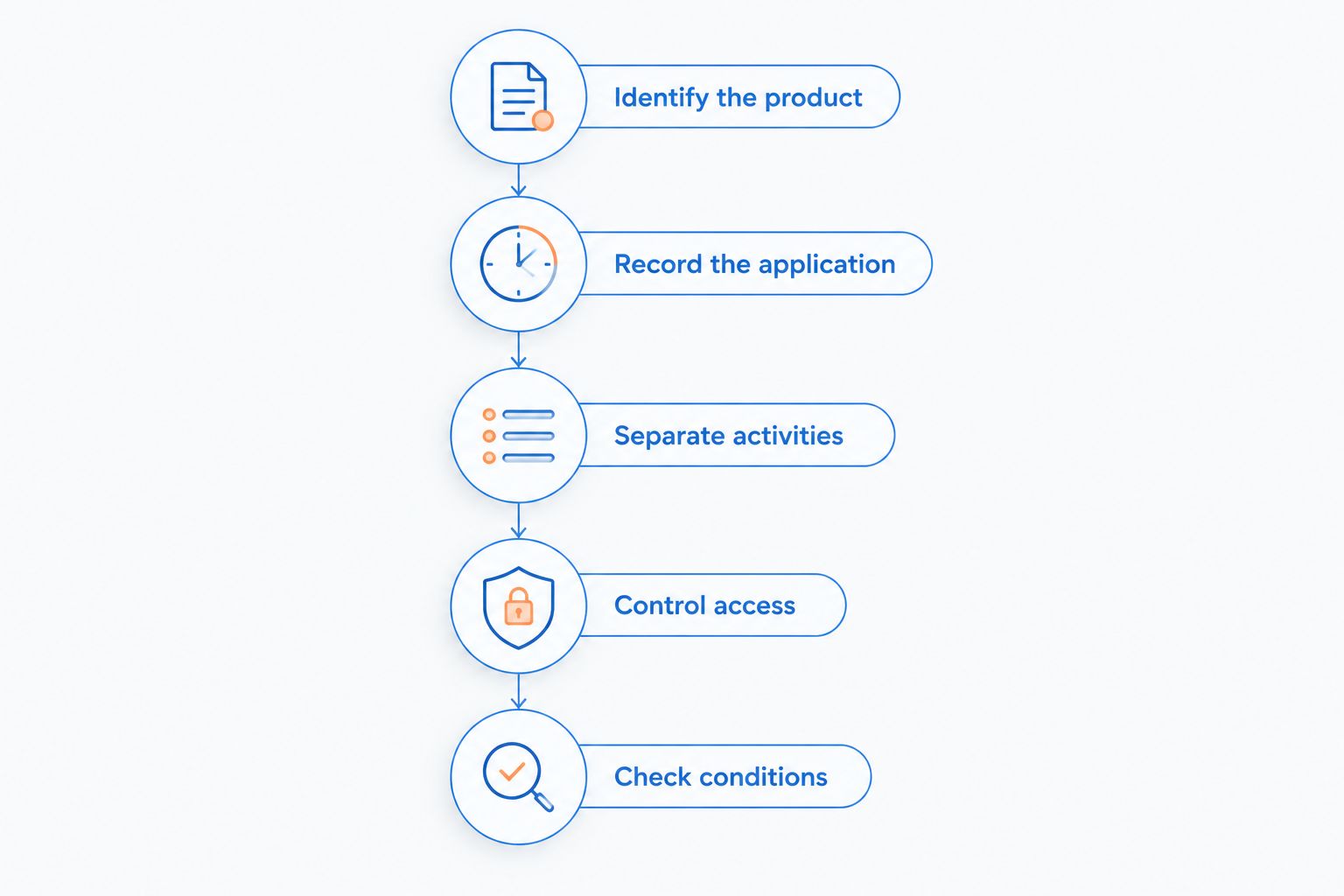
Identify the product
Ask for the full product name and its current technical instructions. Keep a photograph of the container label or a copy of the product sheet with your project records.
Confirm that the instructions apply to your paver material and any existing treatment. An unknown previous coating deserves attention before another product goes over it.
Record the application
Record when the relevant application finished and which areas received treatment. If the job uses multiple coats, follow the manufacturer’s instructions about which application starts the applicable waiting period.
A broad statement that the work finished that morning is less useful than a clear record. Different sections of a large surface can finish at different times.
Separate activities
Write down when walking, parking, furniture replacement, and water exposure are permitted. Ask whether the planned use includes anything beyond ordinary access, such as delivery equipment or heavy planters.
Do not use the foot-traffic milestone as permission for every other activity. Each restriction serves a different purpose.
Control access
Arrange alternate parking and a route that avoids the treated surface. Tell household members, visitors, gardeners, and delivery drivers which areas are closed.
Check irrigation coverage before application begins. A sprinkler aimed away from the patio can still wet an edge through overspray.
Check conditions
Before reopening, confirm that the required interval has passed under suitable conditions and that no unexpected moisture or finish problem needs review. Resolve uncertainty with the applicator rather than testing the surface with traffic.
When can you walk on sealed pavers?
You can walk on sealed pavers when the applied product’s foot-traffic instructions permit it and the application conditions satisfy those instructions. Surface dryness alone does not establish that permission.
Keep the first permitted use within the manufacturer’s definition of pedestrian traffic. Walking across a patio does not establish that you can drag furniture, move a loaded cart, or place a heavy planter on it.
If the sealed area is your only entrance, solve that access problem before work starts. Ask whether the project can be organized around an alternative route without compromising the application requirements.
When can you park on a sealed paver driveway?
You can park on a sealed paver driveway when the product’s vehicle-traffic requirements are met. Do not substitute the walking interval or a dry-to-touch observation for the vehicle restriction.
Keep vehicles clear of the entire treated area, including edges near garage entrances. A tire resting partly on freshly treated pavers still loads the surface.
Tell visitors where to park and make the closure visible from the street. For a shared driveway, agree on access arrangements before application rather than relying on everyone to remember a verbal instruction.
When can you put furniture back on sealed pavers?
You can replace patio furniture when the product’s instructions or manufacturer’s guidance permit that use. Permission for foot traffic does not automatically cover furniture feet, heavy planters, outdoor rugs, or covered storage.
Lift furniture rather than dragging it after the surface is cleared for use. Ask specifically about rugs and mats because they cover the finish and can retain moisture underneath.
Use the same care with grills and movable storage. If an item is difficult to lift safely, arrange help instead of rolling or dragging it across a newly treated surface.
What if rain or sprinklers hit fresh sealer?
Compare the exposure with the product’s stated rain and water restrictions, then contact the applicator if the exposure occurred too soon. Record when the water arrived and photograph any visible change without walking onto a restricted area.
Do not assume every wet surface has failed. Equally, do not assume an apparently unchanged surface needs no assessment when the instructions were breached.
Avoid adding another coat, applying a solvent, or pressure washing in an attempt to fix the appearance. Those actions are product-specific repair decisions and can complicate the original problem.
For Newport Beach and Orange County projects in 2026, check the forecast alongside irrigation settings and overnight moisture conditions. A forecast without rain does not eliminate every source of water.
Keep exterior cleaning separate from sealing approval
Socalemm is a fit for homeowners seeking exterior cleaning in Newport Beach and Orange County. Socalemm provides residential pressure washing and related exterior cleaning; confirm paver-sealing scope separately when arranging the work.
When you request an exterior-cleaning quote, identify existing sealer, loose joint material, drainage concerns, and the access you need to preserve. Cleaning preparation and permission to apply a particular sealer are separate decisions.
For homeowners, the practical priority is protecting entrances, vehicles, pets, and outdoor belongings while work proceeds. Ask who will communicate the reopening instructions and who should assess an unexpected finish problem.
For commercial properties, keep the discussion separate: pedestrian routes, accessible entrances, deliveries, and tenant access need their own plan. Residential patio instructions should not become the default operating plan for a business entrance.
FAQ
How long does paver sealing take to cure completely?
Paver sealing reaches full cure according to the exact product’s instructions under the specified conditions. Use its full-cure requirement rather than its surface-dry or foot-traffic milestone.
Can I walk on pavers as soon as the sealer looks dry?
No—appearance alone does not establish that sealed pavers are ready for walking. Follow the product’s foot-traffic instructions and check whether application conditions met its requirements.
Can I park on sealed pavers when walking is allowed?
No—permission for foot traffic does not establish readiness for vehicles. Follow the product’s vehicle-traffic restriction before driving or parking on the treated area.
Does sunny weather mean paver sealer cures faster?
Sunny weather alone does not establish a shorter cure time. Surface temperature, humidity, formulation, and application conditions still need to meet the product’s instructions.
What should I do if sprinklers wet freshly sealed pavers?
Stop further irrigation exposure and contact the applicator if the product’s water restriction was breached. Record when it happened and avoid applying more sealer or attempting a repair without product-specific guidance.
Can I put an outdoor rug back when the patio feels dry?
Do not use surface dryness alone to decide when to replace an outdoor rug. Follow the product’s guidance for covered surfaces, because a rug can retain moisture underneath.
Should I pressure wash sealed pavers that look cloudy?
Do not pressure wash a cloudy new finish as an initial repair attempt. Ask the applicator to identify the cause and obtain instructions appropriate to the sealer before disturbing the surface.
One last thing
The most useful detail to save from a sealing project is the product identity—not just a photograph of the finished patio. Without it, later cleaning, recoating, and troubleshooting decisions become harder to check against the correct instructions.
Keep the product sheet, application record, and reopening instructions together for your 2026 project. When arranging future exterior cleaning with Socalemm, share that record before work begins so the existing treatment is part of the discussion.