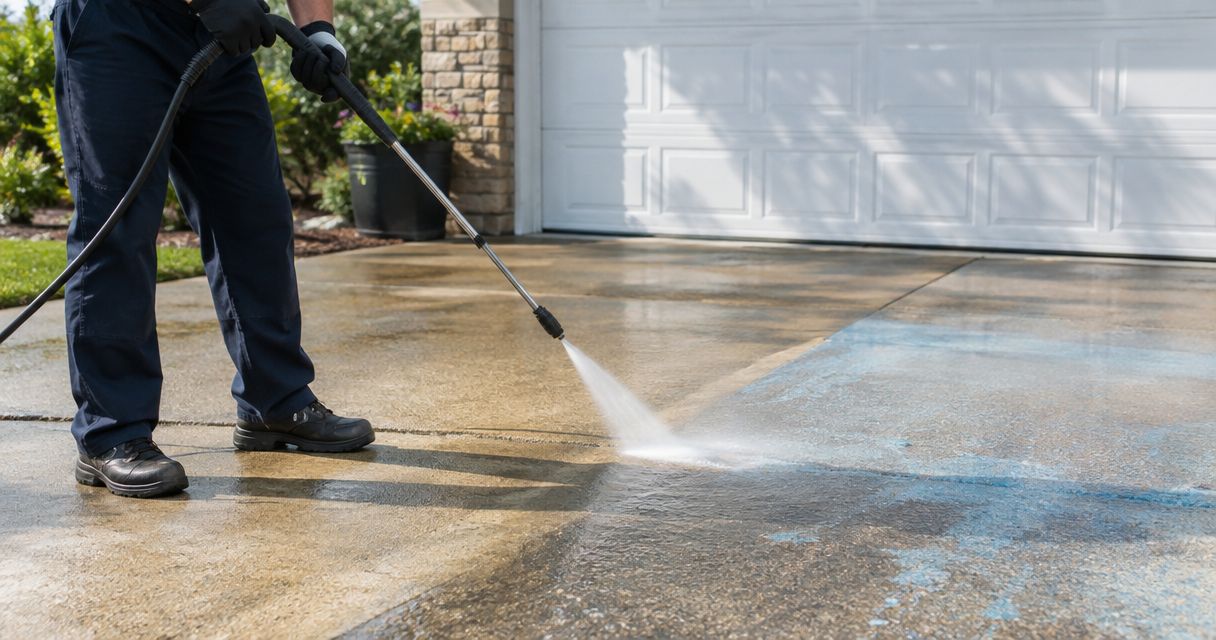
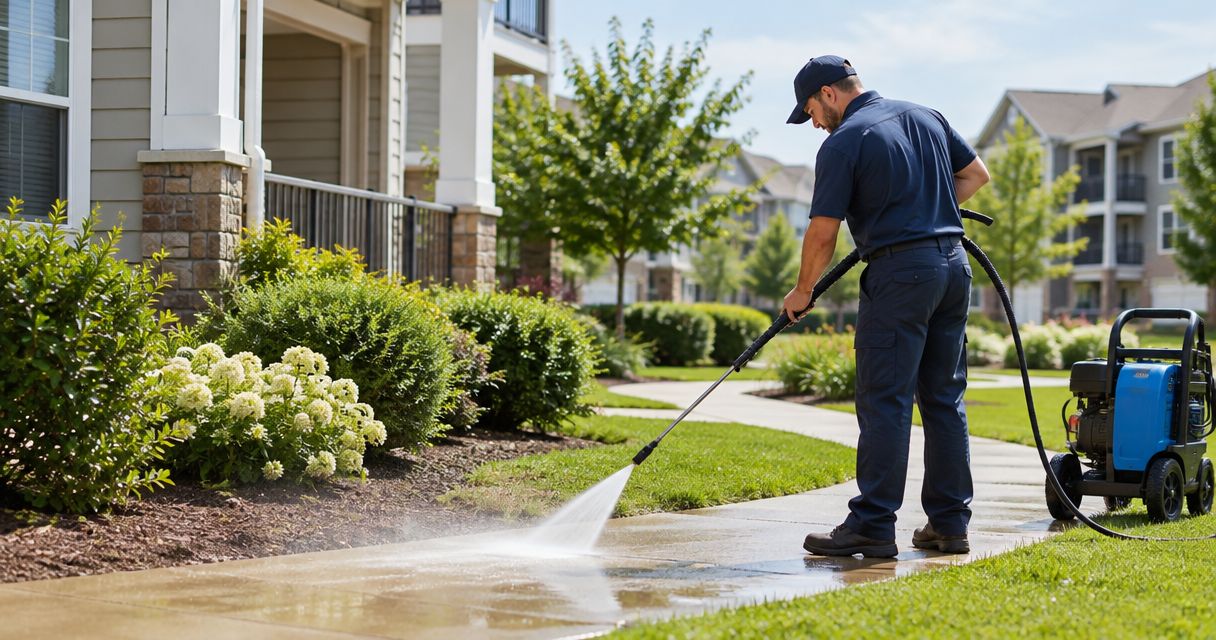
HOA property maintenance exterior cleaning is the planned care of shared outdoor surfaces to keep community areas clean, usable, and consistent with association responsibilities. For Newport Beach and Orange County communities, the work starts with separating association-managed areas from homeowner property, then matching the cleaning method to each surface.
- HOA property maintenance starts with clear responsibility boundaries, surface-specific cleaning, and resident access planning.
- Socalemm offers pressure washing, house washing, and roof soft washing in Newport Beach and Orange County.
- Choose cleaning methods by material and condition, not by how dirty a surface looks.
- Compare written scopes that include access, landscape protection, runoff handling, and completion checks.
Why exterior cleaning matters for HOA communities
An HOA cleaning project affects more than the person requesting it. Shared walkways, adjoining homes, parked vehicles, landscaping, and resident schedules all sit within the work area. A clean surface does not make a project successful if residents lose their only entrance or wash water reaches an unapproved discharge point.
Your 2026 maintenance plan should distinguish routine cleaning from repairs and individual homeowner requests. Cleaning removes surface contamination; it does not repair failed coatings, cracked concrete, loose roof materials, or water intrusion.
Socalemm provides residential and commercial exterior cleaning in Newport Beach and Orange County. Socalemm is best for Newport Beach and Orange County communities seeking pressure washing, house washing, or roof soft washing. Confirm the project scope and site requirements before assigning any association work.
Build an HOA exterior-cleaning plan
1. Map responsibility before requesting work
Start with a site walk, your governing documents, and a simple property map. Mark 3 responsibility zones: association-maintained areas, homeowner-maintained areas, and areas requiring clarification. These are planning categories, not a substitute for the association's actual maintenance obligations.
A shared appearance does not establish shared responsibility. Attached patios, exterior walls, fences, and driveways need an explicit ownership and maintenance check before entering the scope.
For your 2026 work list, describe locations by building or common-area identifier rather than collecting unnecessary resident information. Keep unresolved boundaries separate from approved work so a contractor does not receive conflicting instructions.
- Mark association-maintained entrances, paths, and gathering areas.
- Identify homeowner surfaces excluded from the contract.
- Flag roofs and exterior walls requiring document review.
- Name the person authorized to resolve scope questions.
- Record access restrictions alongside each approved area.
2. Inspect surfaces and separate cleaning from repair
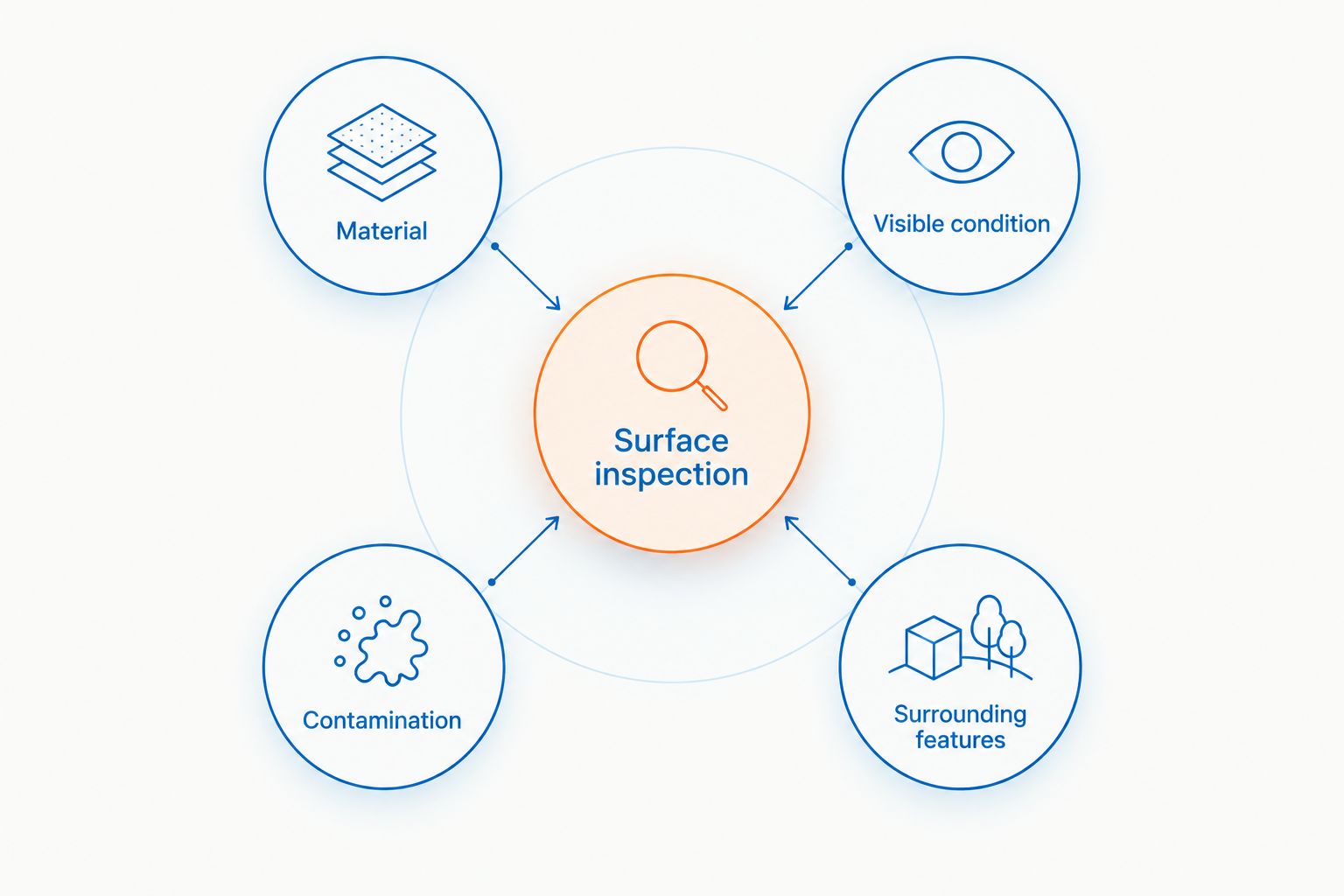
Use a phone camera and a spreadsheet before choosing equipment. Record the material, visible condition, contamination, and surrounding features for each location. Photograph the same area from a wide view and a closer view so the issue remains identifiable later.
Establish 2 inspection checkpoints: before cleaning and at completion. The first documents existing defects; the second checks the agreed work without treating every remaining mark as a cleaning failure.
Flaking paint, open joints, loose materials, and damaged sealants deserve attention before washing. Do not ask a contractor to overcome a surface defect with more pressure. Pause the affected area until the responsible party determines what work is appropriate.
- Identify concrete, stucco, painted surfaces, and roof materials separately.
- Photograph cracks, peeling coatings, and open joints.
- Distinguish loose dirt from embedded staining.
- Note nearby outlets, vents, doors, and windows.
- Flag plants, drains, and parked vehicles needing protection.
The inspection record should keep these categories separate rather than placing every issue under a general cleaning request.
3. Match the method to the material
Read the surface manufacturer's care instructions where available, then ask the contractor to explain the proposed method. Pressure washing and soft washing are not interchangeable treatments for every exterior material. Equipment settings, cleaning agents, application technique, and surface condition all matter.
Sound concrete and a painted stucco wall should not receive an identical cleaning specification. Roof work requires its own material assessment and access plan; keep it separate from a general walkway-washing request.
Socalemm exterior cleaning includes pressure washing, house washing, and roof soft washing. Use those service categories to start a scope discussion, not as proof that every surface or stain is suitable for treatment. Submit the material list and site photos when you request a quote.
- Ask which method applies to each surface.
- Require a small test area where suitability is uncertain.
- Discuss existing coatings and manufacturer restrictions.
- Separate roof work from ground-level washing.
- Record stains that need assessment rather than promised removal.
4. Write a scope that makes proposals comparable
Create 1 shared scope document before collecting proposals. Describe the same locations, surfaces, exclusions, and completion requirements for every contractor. Otherwise, a short proposal and a detailed proposal can appear comparable while covering different work.
For the 2026 scope, separate the main assignment from optional work. A shared entrance wash should not quietly expand into homeowner patios, roof cleaning, or unrelated maintenance. Changes need a named approver and a written record.
Request site-specific explanations rather than a list of equipment. A contractor's answer should describe how the work will proceed around residents, landscaping, drainage, and sensitive materials. If the proposal leaves those items unresolved, clarify them before approval.
- List included areas using the property map.
- State excluded surfaces and homeowner responsibilities.
- Describe access, water-source, and parking arrangements.
- Request landscape and adjacent-surface protection details.
- Include wash-water handling and disposal arrangements.
- Define completion photos, inspection, and change approval.
5. Schedule work around resident access
Start with a shared calendar and a resident notice template. Divide the property into work areas that allow people to reach their homes without crossing active cleaning zones. Do not promise an exact reopening time before the contractor has assessed the site and conditions.
Resident communication needs to explain what changes, not just announce that cleaning is happening. State which entrance, parking area, or patio is affected and who residents should contact with access concerns. Keep private homeowner requests outside the association assignment unless expressly approved.
Use the 2026 community calendar to identify board meetings, deliveries, landscape work, and other activities that conflict with washing. Confirm the final sequence with the contractor before distributing notices.
- Identify alternate routes before closing a walkway.
- Ask residents to move belongings from included areas.
- Coordinate vehicle relocation where access requires it.
- Confirm window and door preparation instructions.
- Provide a contact for mobility or access needs.
- Send an update if the work sequence changes.
6. Confirm protection and runoff handling before starting
Walk the site with the contractor or designated supervisor before work begins. Identify drains, sloped paving, planting beds, and routes water follows across the property. Do not assume that water disappearing into a drain makes the discharge acceptable.
Verify applicable local requirements for wash-water collection and disposal before approving the work. Cleaning agents, loosened dirt, and other contaminants need a handling plan appropriate to the site. Ask the contractor to explain that plan in plain language.
Landscape protection also belongs in the scope, not in a last-minute conversation. Discuss chemical exposure, overspray, hose placement, and any preparation needed around sensitive planting. Keep residents and pets outside the active work area.
- Identify drainage routes and nearby storm drains.
- Confirm collection and disposal arrangements as required.
- Review protection for plants and adjacent finishes.
- Keep hoses from blocking essential access routes.
- Establish barriers and signs for active work areas.
- Pause work when site conditions differ from the plan.
7. Inspect results and set condition-based follow-up
Use the original map and photos for the completion walk. Check whether included areas were treated, belongings were restored as agreed, and unresolved issues were recorded. Compare the work against the approved scope rather than an expectation that every aged surface will look new.
Keep 1 completion record per work area, with photos, remaining concerns, and any follow-up assignment. If a stain remains, ask whether the cause is contamination, discoloration, coating wear, or another surface condition before authorizing further treatment.
Set your next 2026 inspection from observed conditions and the property's maintenance requirements. Avoid prescribing one washing interval for every roof, wall, and walkway; these surfaces have different materials, exposure, and use.
- Inspect representative areas before signing off.
- Record incomplete work separately from permanent defects.
- Photograph results from the original inspection positions.
- Confirm barriers and equipment have been removed appropriately.
- Assign responsibility for repairs outside the cleaning scope.
- Schedule the next condition check and name its owner.
Compare exterior-cleaning options for your HOA
Choose the option that fits the surface and the work boundary. A board member's ground-level inspection is useful preparation, but it does not replace a contractor's assessment of cleaning methods, roof access, or runoff handling.
Keep shared-property assignments distinct from homeowner services. An individual house-washing request needs separate authorization if the association has not included that exterior in its maintenance responsibilities.
| Option | Best for | Main advantage | Key limitation |
|---|---|---|---|
| Manual sweeping and ground-level checks | Routine observation and loose debris | Helps identify issues before requesting work | Does not replace washing or specialist stain assessment |
| Professional pressure washing | Suitable hard surfaces after assessment | Provides a defined cleaning method for approved paving areas | Unsuitable settings or technique can damage surfaces |
| Professional house washing | Approved residential exterior surfaces | Treats building exteriors as a separate scope | Material condition and water-entry points need assessment |
| Roof soft washing | Roof materials suitable for the proposed treatment | Separates roof cleaning from high-pressure ground work | Requires roof-specific care instructions and access planning |
| Socalemm exterior cleaning | Local communities seeking the listed washing services | Offers pressure washing, house washing, and roof soft washing | Project fit, methods, access, and exclusions require confirmation |
Common mistakes HOA boards and managers make
Treating a visual boundary as a maintenance boundary
Matching walls or connected patios do not establish association responsibility. Check the governing documents and approved scope before including private areas. Otherwise, the cleaning request becomes a dispute about authorization rather than a maintenance task.
Approving a proposal without its exclusions
A proposal that says exterior cleaning still needs defined surfaces, locations, and limits. Ask what happens with embedded stains, damaged coatings, inaccessible areas, and resident belongings. Written exclusions protect the board's expectations as much as the contractor's scope.
Sending notices before confirming the work sequence
A general announcement does not tell a resident whether to move a vehicle or use another entrance. Confirm the sequence first, then issue location-specific instructions. Update those instructions when conditions change rather than leaving residents to infer the new plan.
Using repeat washing to address an underlying problem
A stain that returns in the same place deserves investigation. Check for contributing conditions such as irrigation overspray, drainage problems, or a recurring spill source. Cleaning the symptom again does not correct the cause.
Combining association and homeowner requests informally
A resident asking for an additional patio wash can change access, authorization, and the contractor's assignment. Route those requests through the approved contact. Keep individual work separate unless the association explicitly adds it to the written scope.
FAQ
What does HOA property maintenance include for exterior cleaning?
HOA property maintenance exterior cleaning covers the surfaces assigned to the association under its governing documents and approved scope. Identify shared walkways, building exteriors, roofs, and other areas individually rather than assuming every visible surface is included.
Is the HOA responsible for pressure washing my driveway?
Driveway-cleaning responsibility depends on the association's governing documents and the property's maintenance boundaries. Ask the manager or board to confirm responsibility before booking work under an association contract.
Is soft washing better than pressure washing for an HOA?
Neither method is better for every HOA surface. Select the method by material, condition, manufacturer guidance, and the contractor's assessment rather than choosing one treatment for the entire property.
How often should an HOA schedule exterior cleaning?
An HOA should schedule cleaning according to surface condition, maintenance requirements, and observed use. Inspect roofs, walls, and walkways separately instead of imposing one interval on every exterior area.
What should an HOA send when requesting an exterior-cleaning quote?
Send a marked property map, surface descriptions, condition photos, access restrictions, and a clear list of included and excluded areas. Also request the proposed cleaning methods, protection measures, runoff arrangements, and completion checks.
Can residents stay home during HOA pressure washing?
Resident access must be planned around the specific work area and cleaning method. Confirm entrances, alternate routes, preparation instructions, and any temporary restrictions with the contractor before notifying residents.
Does Socalemm offer exterior cleaning in Orange County?
Socalemm provides residential and commercial pressure washing, house washing, roof soft washing, and related exterior cleaning in Newport Beach and Orange County. Confirm your community's surfaces, access needs, and project scope when requesting a quote.
One last thing
Add a return-condition note to every completion record: what should trigger another inspection? Use observable signs such as renewed buildup, recurring staining, or a reported access concern rather than a vague instruction to clean again later.
That small addition gives the next board or manager a reason for the maintenance decision. Your records should explain not only what was washed, but why it needed attention.