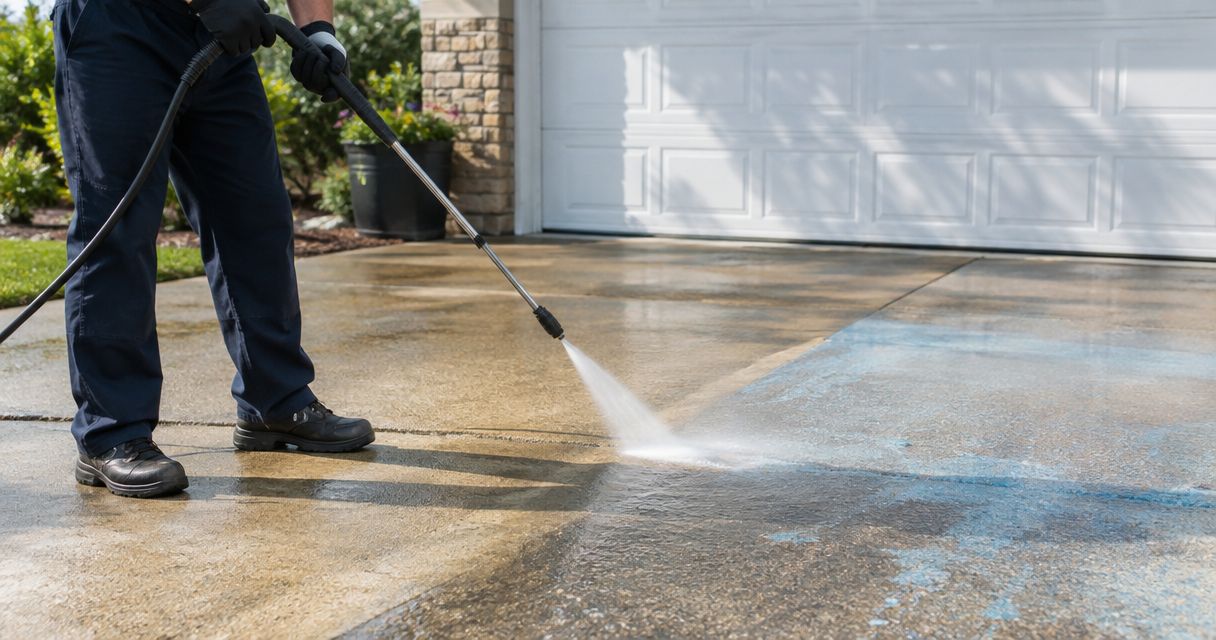
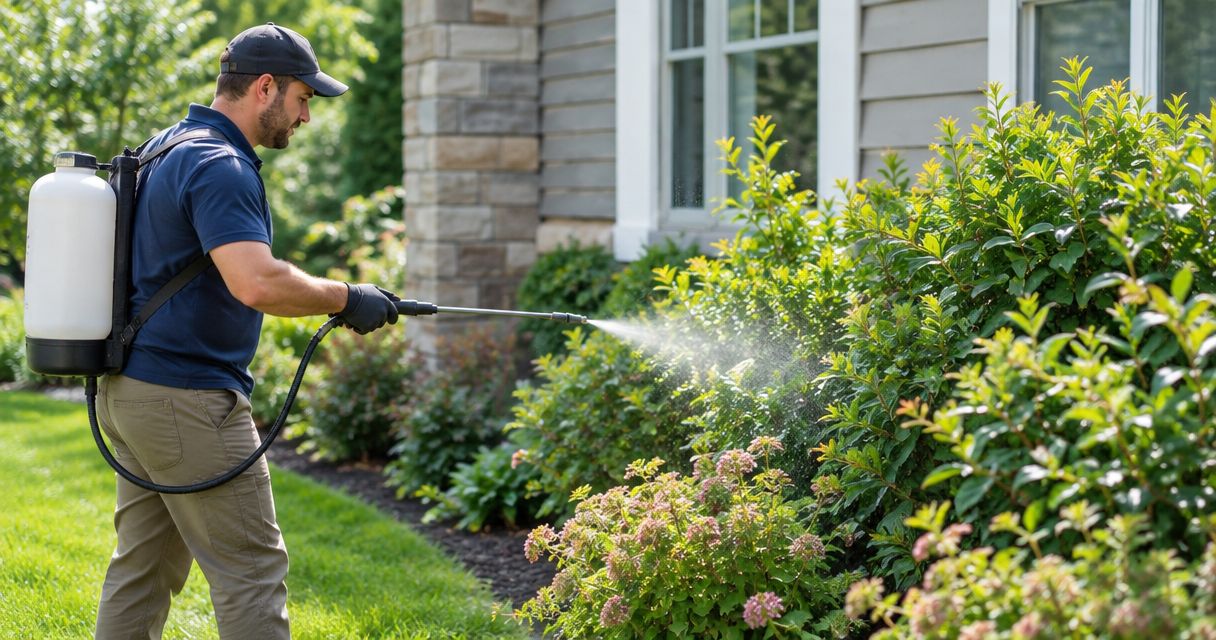
Yes, soft washing can damage plants and landscaping when cleaning solution reaches leaves, roots, or soil without adequate protection. Low application pressure does not make the cleaning chemicals harmless to vegetation. Protecting your garden requires controlling overspray and runoff, following the product label, and planning around sensitive plants before work begins.
- Can soft washing damage plants and landscaping? Yes: chemical exposure matters even when application pressure is low.
- Protect leaves and root zones; roof runoff can reach landscaping through gutters and downspouts.
- Socalemm provides house washing and roof soft washing for homeowners in Newport Beach and Orange County.
- Ask for a plant-protection and runoff plan before exterior cleaning starts.
Can soft washing damage plants and landscaping?
Yes. The main landscaping risk comes from the cleaning solution and where it travels, not just the force of the spray. Sodium hypochlorite, a common ingredient in exterior-cleaning solutions, can injure plant tissue. Other ingredients also require label-specific precautions.
A practical protection plan follows this order:
- Identify exposure routes. Locate plants beside walls, below roof edges, and near downspout outlets.
- Choose protection. Move portable pots, assess fixed planting beds, and determine whether temporary shielding is appropriate.
- Control the application. Keep cleaning solution off vegetation and stop when wind carries spray outside the intended area.
- Check afterward. Inspect foliage, containers, and runoff collection points before removing protective measures.
For the surface-cleaning distinction, read is soft washing better than pressure washing for roofs. Choosing a roof-compatible method and protecting the garden are separate decisions; neither replaces the other.
Why this matters for your landscaping
A clean exterior is not a good outcome if nearby plants receive avoidable chemical exposure. Flowers, shrubs, lawn edges, and containers all need attention, including areas that are not directly underneath the work.
For a 2026 house-washing appointment, walk the entire cleaning area rather than looking only at the front garden. A side-yard downspout can discharge beside a planting bed, while a hanging basket can sit directly in the path of wall overspray.
Do not accept low pressure as the complete explanation of plant safety. Ask what will be applied, where it will drain, and how vegetation will be protected. Those answers describe the actual precautions.
How cleaning solution reaches plants
Direct spray and drifting mist
Leaves and flowers can receive cleaning solution when application extends beyond the wall or roof being treated. Wind makes the boundary harder to control. A narrow planting strip against siding deserves attention even if the operator never deliberately points the spray at it.
Best approach: prevent contact rather than relying on cleanup afterward. Working in smaller areas and pausing when spray drifts helps keep treatment within the intended surface.
Roof runoff and downspouts
Roof cleaning creates an exposure route that is easy to overlook from the garden: gutters and downspouts. Water leaving a downspout can carry cleaning solution into soil, containers, or lawn edges.
Trace each outlet before roof work starts. Do not assume moving discharge away from a shrub solves the problem if it redirects the liquid toward another bed, a neighbor's property, or a storm drain. Runoff handling must follow product directions and applicable local requirements.
Residue on nearby surfaces
Cleaning solution can also land on pots, garden furniture, fences, or paving beside plants. These surfaces deserve inspection during the final walkthrough, especially where later rinsing would send residue toward soil.
Ask the operator to check the whole exposure area, not just the cleaned wall. A clean-looking leaf does not establish that the surrounding potting mix or drainage route avoided contact.
Why the risk of plant damage varies
There is no universal plant-safe dilution or contact time for every exterior-cleaning job. Use the actual product label and the site's conditions, not a generic recipe from an online discussion.
These factors change the protection needed:
- Product and concentration. Ingredients and dilution affect the consequences of accidental contact. The label governs handling and use.
- Amount and contact time. A brief splash and prolonged exposure are different situations; both need prompt attention.
- Plant condition. Recently planted, stressed, or already damaged vegetation deserves particular attention during planning.
- Wind and heat. Wind spreads mist, while heat complicates temporary covering and plant care.
- Drainage layout. Roof valleys, gutters, downspouts, slopes, and low spots determine where liquid collects.
- Access. Dense planting against walls makes it harder to reach the surface without contacting foliage.
For your 2026 cleaning plan, identify these conditions before deciding how to protect the garden. A standard instruction to water everything does not address every exposure route.
Which landscaping protection methods make sense?
Use protection methods together when they address different risks. Moving a pot prevents direct exposure at that location; it does nothing for the fixed planting bed beneath a downspout.
| Protection method | Best for | Benefit | Limitation |
|---|---|---|---|
| Move portable pots | Containers and hanging baskets near the work | Removes the plant from the immediate exposure area | Does not protect in-ground landscaping |
| Controlled pre-wetting | Suitable established landscaping near the work | Helps avoid starting with dry foliage and soil | Does not make chemical contact harmless; avoid waterlogging |
| Temporary shielding | Fixed plants beside a treatment area | Creates a barrier against direct spray | Can trap heat or concentrate runoff if poorly arranged |
| Runoff management | Planting beds near roof drainage | Addresses exposure arriving from above or uphill | Requires planning beyond the visible spray area |
| Post-work inspection | All landscaping beside the cleaning area | Helps identify missed residue or exposure | Cannot substitute for prevention |
Moving containers: best for portable plants
Move pots and hanging baskets beyond both the spray zone and the expected runoff route. Include plants around corners if drifting mist or redirected drainage could reach them.
The limitation is practical: large containers are heavy, and moving them carelessly can damage roots, branches, or paving. Agree on who will move them and where they will sit before the appointment.
Pre-wetting: useful preparation, not immunity
Controlled watering with clean water is a common precaution around exterior cleaning. It is not permission to spray cleaning solution onto plants, and it does not justify soaking already saturated soil.
Tell the operator about drainage problems or plants with special watering requirements. Product instructions and plant needs should guide the plan rather than an automatic instruction to flood every bed.
Temporary covers: useful barriers with limits
A cover can intercept spray, but its placement matters. Do not leave heat-trapping plastic over plants in direct sun, and do not arrange a cover so collected cleaning solution empties into the root zone.
Ask when covers will be installed, monitored, and removed. A cover is a managed precaution, not a set-and-forget solution.
How should you prepare before soft washing?
Use this 2026 homeowner checklist during the walkthrough. You do not need to choose the chemical mixture yourself; you need a clear explanation of how the work will avoid unnecessary exposure.
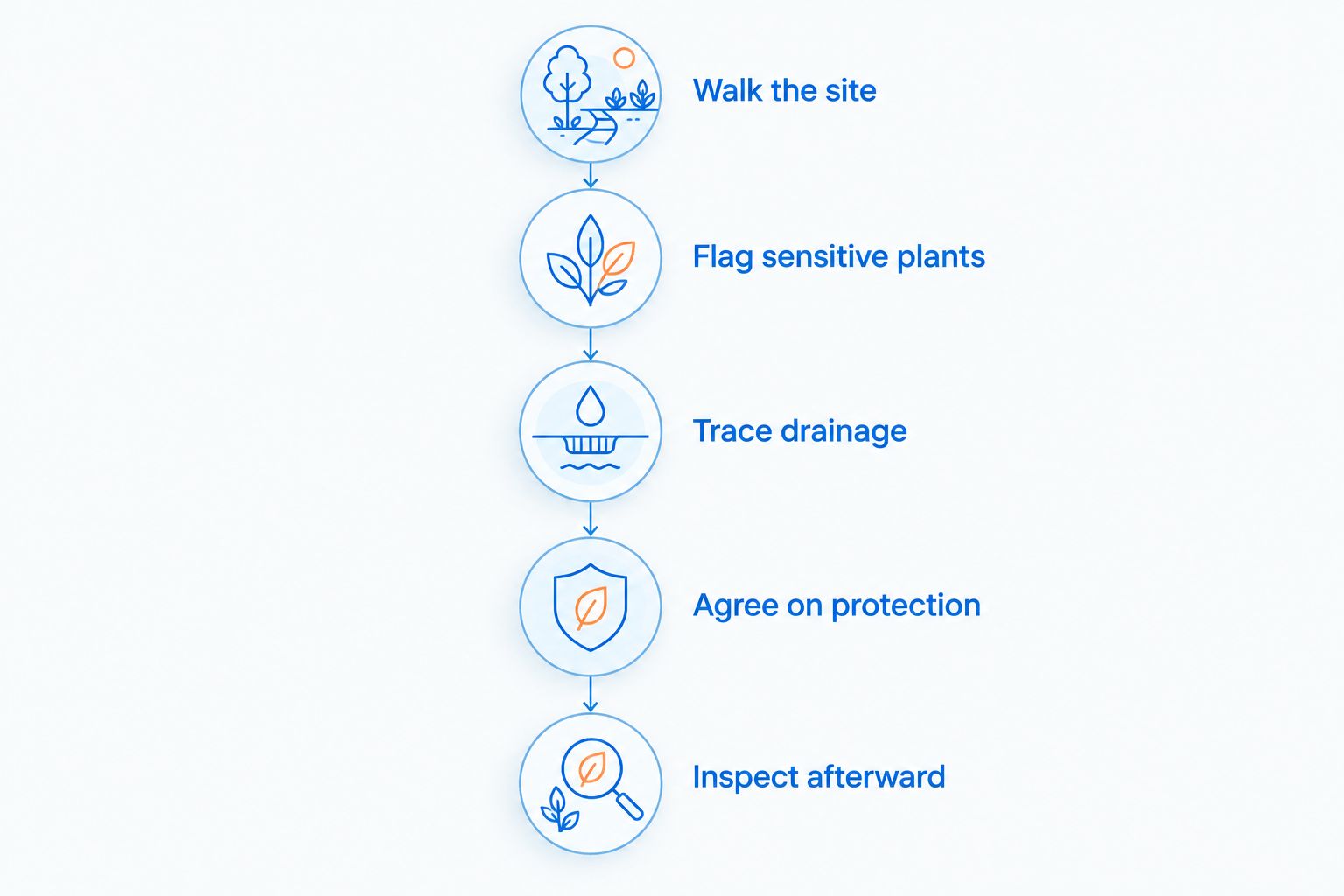
- Walk the site. Show the operator planting beds, lawn edges, hanging baskets, and hard-to-see containers. Include side yards and areas behind gates.
- Flag sensitive plants. Identify recent plantings, existing leaf damage, edible crops, and plants under special care. Take dated photos for your own records.
- Trace drainage. Locate roof outlets and watch where water naturally travels across paving and soil. Point out low spots and standing-water problems.
- Agree on protection. Confirm what will be moved, shielded, watered, or kept outside the treatment area. Ask how wind changes will affect the work.
- Inspect afterward. Review the landscaping and drainage points with the operator before considering the job finished.
Keep pets, children, and other household members outside the work area according to the cleaning product's instructions. Avoid handling wet covers or equipment, and let the operator manage any suspected chemical spill.
Socalemm is for Newport Beach and Orange County homeowners seeking house washing or roof soft washing. When discussing Socalemm exterior cleaning, include your landscaping concerns in the requested scope. The service category alone does not establish which plant-protection measures a particular property needs.
Discuss your exterior cleaning project
Include nearby planting beds, containers, and roof drainage when requesting a quote.
What should you do if cleaning solution reaches plants?
Stop the exposure first. Tell the operator immediately and keep people and pets away from the affected area. Do not continue cleaning while assuming a final rinse will resolve everything.
Follow the product label's spill and environmental instructions. Promptly rinsing affected foliage with clean water can help remove residue, but runoff still needs control; do not wash contaminated liquid into a storm drain or spread it across more landscaping.
Avoid adding vinegar, fertilizer, household cleaners, or an improvised neutralizer. Mixing chemicals introduces additional hazards, and an unverified remedy can worsen the situation. Let the operator identify the product and determine the appropriate response.
Document what happened, which areas were affected, and what action was taken. If plants show persistent decline, consult a qualified horticultural professional and provide the product information. Leaf browning, wilting, and discoloration are signs to investigate, not proof of a single cause.
Is soft washing safer for plants than pressure washing?
Soft washing is not automatically safer for plants than pressure washing. Lower pressure reduces one type of exposure, but cleaning chemistry, spray control, and drainage still matter.
Pressure washing can physically damage foliage and disturb soil when directed into landscaping. Soft washing presents a different concern when its cleaning solution contacts vegetation. Choose the method for the building material, then require a separate landscaping plan.
For a 2026 cleaning decision, avoid treating either method as universally harmless. The useful question is how the selected method will be controlled around your particular plants.
Can you soft wash near a vegetable garden?
Keep exterior-cleaning solution away from edible plants and their growing areas. Tell the operator about vegetable beds, herbs, fruit plants, and containers before treatment begins, even if they are outside the immediate work zone.
Move portable edible plants where practical and assess whether the work area needs additional separation or a different approach. If exposure occurs, do not assume washing the harvested produce makes it suitable to eat; get product-specific guidance before consuming it.
FAQ
Can soft washing kill my plants?
Yes, exposure to some soft-washing cleaning solutions can seriously injure or kill plants. The risk depends on the product, concentration, amount of contact, plant condition, and response to exposure.
Does low-pressure washing mean the chemicals are safe for landscaping?
No, low pressure does not establish chemical safety for landscaping. Pressure describes the application force; the product label explains handling precautions and environmental restrictions.
Should I water my plants before house washing?
Discuss controlled pre-wetting with the operator before house washing. It is a precaution, not a substitute for preventing chemical contact, and the plan should account for saturated soil and special plant needs.
Should every plant be covered during soft washing?
No, every plant does not automatically need a cover. Protection should match the exposure risk, and temporary covers need monitoring because they can trap heat or direct runoff toward roots.
Can roof-cleaning runoff damage plants beside a downspout?
Yes, roof-cleaning runoff can expose plants beside a downspout to cleaning solution. Trace the discharge route before work and agree on runoff handling that follows product directions and local requirements.
How quickly will I know whether a plant was damaged?
There is no single reliable timeline for visible plant damage after chemical exposure. Record the exposure promptly, monitor the affected plants, and seek horticultural advice if symptoms appear or persist.
What should I tell Socalemm before a house-washing appointment?
Tell Socalemm about nearby planting beds, edible plants, containers, recent plantings, and drainage concerns. Ask which protection measures are included in the proposed house-washing scope before work begins.
One last thing
Look at the downspout outlet, not just the roof above your plants. Landscaping well away from the spray can still sit directly in the runoff path. Tracing that route is a useful final check on your 2026 preparation list.
Before approving the work, ask the operator to show you where the cleaning solution and rinse water will go. A clear answer is more useful than a general promise to be careful.